Canada Student Visa 2025: Complete Guide to Application, Documents, Process, and Post-Study Opportunities
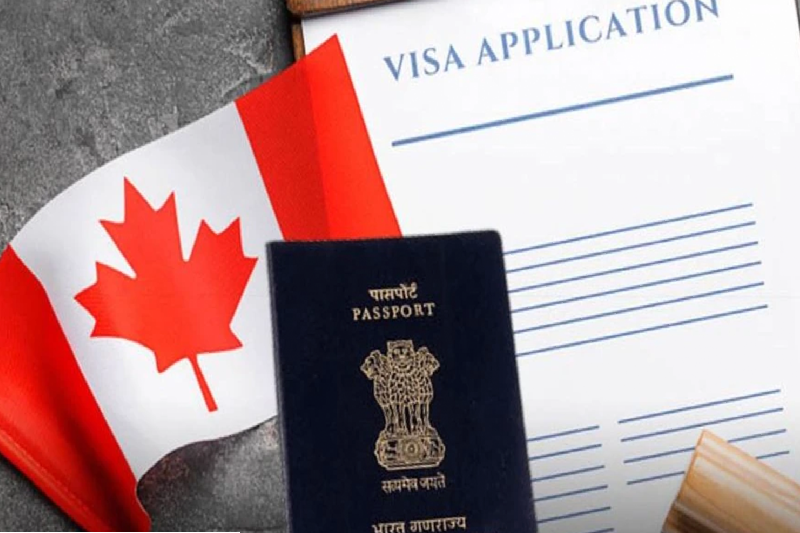
Canada is one of the most popular destinations for international students, including a large number from India. However, navigating the Canadian immigration and study system requires clarity on two distinct but related documents: the student visa and the study permit. While a student visa allows entry into Canada, the study permit is the official document granting permission to remain in the country and pursue an academic programme.
After receiving admission to a recognised Canadian institution, prospective students must apply for a study permit. This permit is crucial for continuing education, as it defines the terms of stay, work eligibility, and other conditions during the academic journey.
Application Process: Step-by-Step
The student visa application must be submitted online via the official Government of Canada Immigration, Refugees and Citizenship (CIC) website. Applicants can apply up to three months before their intended travel date. The application process involves multiple steps:
- Submission of Online Application: The application form must be completed on the CIC portal.
- Receipt of Port of Entry Letter: Once approved, students receive a letter of introduction and, if necessary, a temporary resident visa or electronic travel authorization (eTA).
- Arrival Interview: At a Canadian airport or port of entry, the student undergoes a brief interview with a Canadian Border Services Agency (CBSA) officer. The officer verifies documents and ensures that the student meets eligibility criteria.
Compliance with all conditions of the study permit is essential throughout the study period. Some permits allow off-campus work, while others restrict employment to on-campus activities. Students must also update their personal information, such as a change of name or address, to keep the permit current.
Required Documents for Canadian Student Visa
To ensure a smooth application process, students must prepare the following documents:
- Letter of Acceptance from a recognised Canadian educational institution.
- Valid Passport or travel document.
- Proof of Funds sufficient to cover tuition fees, living expenses, and return transportation for the student and accompanying family members, if applicable.
- Police Certificate to demonstrate a clean criminal record.
- Medical Examination if required by Canadian authorities.
- Embassy Interview to verify eligibility and intentions.
Proof of financial support can include bank statements, student loans, scholarships, or letters of financial support from sponsors. It may also include documentation of a Canadian bank account or payment of tuition and accommodation fees.
Language Requirements
Proficiency in English is mandatory for most Canadian study programmes. Applicants typically need to demonstrate their language skills through recognised tests, with IELTS being the most widely accepted.
- Undergraduate Programmes: Minimum overall band score of 6.0, with no individual band below 5.5.
- Postgraduate Programmes: Minimum overall band score of 6.5, with no individual band below 6.0.
These standards ensure that students can effectively participate in academic coursework and integrate into Canadian life.
Post-Study Work Opportunities in Canada
One of the key attractions for international students is the opportunity to work in Canada after graduation. The Post-Graduation Work Permit (PGWP) allows graduates to gain valuable Canadian work experience. Eligibility criteria include:
- Completion of a programme at a designated learning institution.
- Holding a valid study permit at the time of application.
- Submission of the PGWP application within 180 days of completing the programme.
The duration of the PGWP depends on the length of the completed programme. For example, master’s programmes shorter than two years (minimum eight months) may qualify for a three-year PGWP if all requirements are met. If a student completes multiple eligible programmes within two years, durations can be combined to meet the minimum two-year requirement.
The PGWP fee is CAD 255, while the fee to restore student status, if required, is CAD 396.25. Even students not eligible for a PGWP may gain Canadian work experience through other employment options, which can contribute to future permanent residence applications.
Key Rules and Updates for International Students
Students must remain aware of recent changes affecting study permits. As of November 2024, international students wishing to switch post-secondary institutions must apply for an extension of their existing study permit. This ensures compliance with Canadian immigration regulations and avoids jeopardising legal status.
Maintaining lawful status, adhering to study permit conditions, and keeping information up-to-date are essential responsibilities. Violations could result in permit revocation or difficulties in obtaining work permits post-graduation.
Top Canadian Universities for International Students
Canada boasts a range of globally recognised universities. According to the 2026 Times Higher Education rankings, the top Canadian universities include:
- University of Toronto
- McGill University
- University of British Columbia
- McMaster University
- University of Alberta
- Université de Montréal
- University of Waterloo
- University of Ottawa
- University of Calgary
- Western University
These institutions attract thousands of international students, offering diverse programmes in engineering, business, arts, science, and emerging technologies like artificial intelligence.
Canada’s Growing Challenges and Opportunities
Recent reports highlight a slight decline in Canada’s population, attributed partly to stricter visa policies for international students. According to Statistics Canada, the population fell by 0.2% in the third quarter of 2025, a rare occurrence outside the Covid-19 pandemic period. Despite this, Canada continues to welcome over four lakh Indian students annually, reflecting the country’s ongoing appeal as a destination for high-quality education and post-study opportunities.
Tips for Prospective Indian Students
- Apply early: Submit applications at least three months before planned travel.
- Ensure financial proof: Prepare documents covering tuition, living costs, and family members if applicable.
- Meet language requirements: Clear IELTS or equivalent tests for undergraduate or postgraduate admission.
- Keep documents updated: Notify authorities of changes in address, name, or institution.
- Explore post-study work: Understand PGWP eligibility and timelines to maximise career opportunities.
Conclusion: Navigating Canada’s Student Visa Successfully
Studying in Canada offers world-class education, global exposure, and valuable work opportunities. Understanding the distinction between a student visa and study permit, preparing required documents carefully, and complying with immigration rules are essential for a successful academic journey. Post-study work options further enhance the appeal, allowing graduates to gain professional experience in Canada and potentially transition to permanent residence.
With careful planning and awareness of updates, Indian students can make the most of their Canadian education experience, combining academic growth with career advancement.