IIM Nagpur Mid-Term Row: Discipline, Dissent and the Question of Academic Fairness
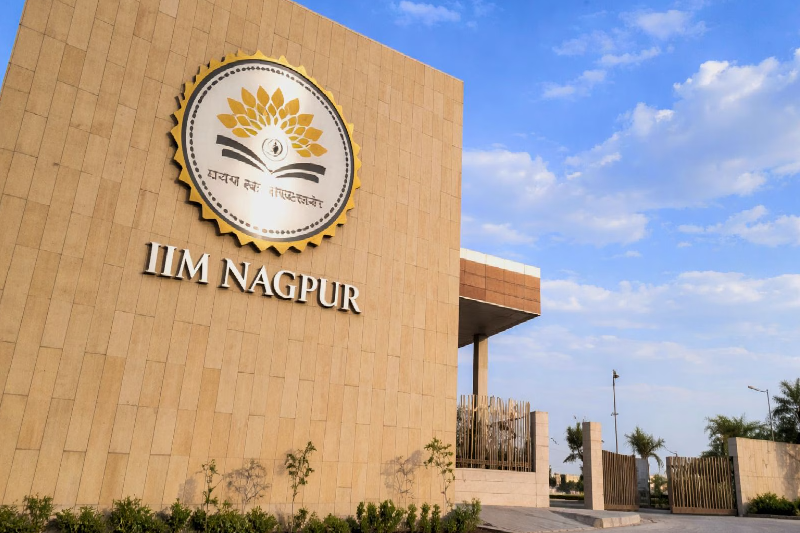
The Indian Institute of Management Nagpur recently found itself at the centre of a campus controversy that brought issues of discipline, student autonomy and academic continuity into sharp focus. What began as an administrative action against a group of first-year students soon escalated into a collective protest, compelling the institution to revisit its decision and restore examination access. The episode has prompted wider reflection on governance practices within premier management institutes and the delicate balance between regulation and reasonableness.
The Incident That Sparked the Dispute
The controversy reportedly arose after approximately 75 students left the campus for an informal dinner gathering and returned the following morning. According to the institute’s administration, a number of first-year students had violated campus norms by remaining off-site overnight without prior permission. In response, more than 40 first-year students were initially barred from appearing in their Term-3 mid-term examinations, scheduled for 24 and 25 February. The institute cited “unauthorised absence” as the basis for this action. The decision, however, quickly triggered discontent across the campus.
Student Protest and Solidarity
In an unusual show of unity, over 60 students from different batches reportedly boycotted their mid-term examinations in protest against what they perceived as disproportionate disciplinary measures. Students argued that while rules must be respected, the penalty imposed appeared excessive and potentially detrimental to academic progression. Concerns were also raised regarding the manner in which the issue was handled administratively, particularly in communication with parents. Some students felt that the response lacked sensitivity, though the institute has refuted allegations of moral policing or unfair targeting. The protest, though peaceful, underscored a broader anxiety among students about clarity in institutional guidelines and the scope of disciplinary authority in residential academic settings.
Administrative Clarification and Reversal
In the face of mounting concern, the administration of the Indian Institute of Management Nagpur moved to de-escalate the situation. Officials clarified that the restriction had applied to a specific group and was not intended as a blanket prohibition. More significantly, the institute announced that all affected first-year students would be permitted to appear for their mid-term examinations. Provision was made for rescheduling missed papers, ensuring that no student would face academic disadvantage as a consequence of the dispute. The administration reiterated that the intent behind campus movement regulations was rooted in safety considerations rather than punitive control.
Safety, Policy and Institutional Responsibility
The institute cited past safety concerns, including a tragic road accident involving a student in 2025, as part of the rationale behind stricter monitoring of late-night movement. From the administration’s perspective, residential campuses bear a heightened duty of care towards their students. However, the episode has illuminated the importance of transparent communication and proportionate enforcement. In institutions that pride themselves on fostering leadership and independent thought, policy frameworks must be clearly articulated and consistently applied.
A Teachable Moment for Higher Education
The resolution of the mid-term row at the Indian Institute of Management Nagpur reflects a pragmatic recalibration. By restoring examination access and affirming academic continuity, the institute acknowledged the primacy of student welfare within disciplinary processes. More broadly, the incident serves as a reminder that academic institutions must balance authority with dialogue. Discipline is essential, particularly within residential campuses, yet it must be accompanied by fairness, transparency and empathy. As normalcy returns, the episode may well stand as a constructive inflection point, encouraging clearer governance structures, stronger channels of communication and a renewed commitment to mutual respect within India’s higher education landscape.