Infra, education in focus as Delhi set to table 2026-27 budget
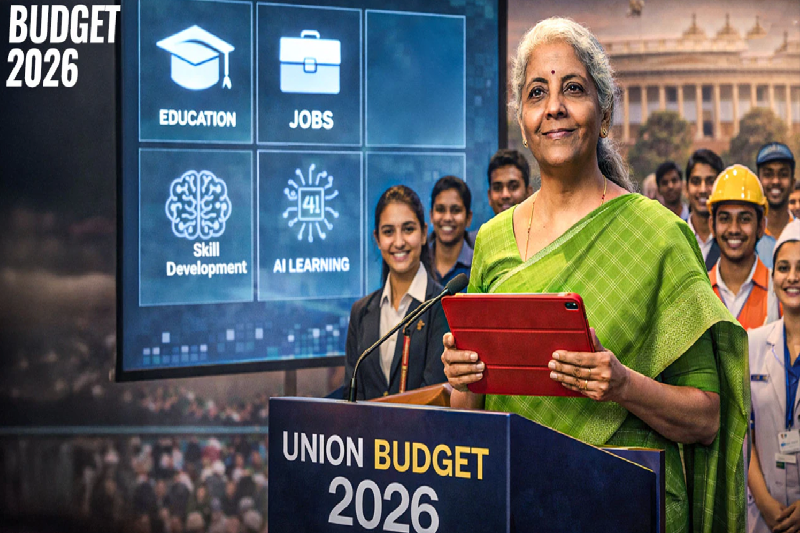
As the National Capital Territory prepares for its next financial cycle, infrastructure and education are poised to occupy a central place in the Delhi government’s 2026–27 budget, which is expected to be tabled during the upcoming session of the Delhi Legislative Assembly. The budget session is scheduled to commence on March 16, with the financial statement likely to be presented shortly thereafter. The presentation will be led by Chief Minister Rekha Gupta, who currently holds the finance portfolio in the state government.
The forthcoming budget is anticipated to emphasise the expansion of public infrastructure and the strengthening of the education system, two sectors that continue to shape the city’s developmental agenda. Officials have indicated that the government may announce a series of initiatives aimed at modernising government schools, expanding technology-driven learning facilities, and upgrading urban infrastructure to support the needs of Delhi’s rapidly growing population.
With education reform and urban development emerging as key priorities, the 2026–27 budget is expected to outline the next phase of policy interventions designed to improve public services and enhance the overall quality of life for residents of the capital.
Budget Session and Legislative Agenda
The Delhi Assembly’s budget session will begin in mid-March and will feature several important legislative and financial discussions. As part of the customary procedure preceding the budget presentation, the government is expected to table the Economic Survey for 2025–26, which provides an overview of the city’s economic performance, fiscal health, and sectoral developments over the past year.
The Economic Survey typically evaluates indicators such as growth trends, public expenditure patterns, employment dynamics, and infrastructure development. These insights form the analytical basis for policy priorities outlined in the budget.
Once the survey is presented, the government will proceed to introduce the full budget, detailing proposed allocations across sectors including education, urban development, transportation, healthcare, and social welfare.
The upcoming financial plan is expected to balance fiscal prudence with strategic investment, ensuring that resources are directed toward projects that can deliver long-term benefits to citizens.
Strengthening Infrastructure in a Rapidly Expanding City
Infrastructure development has long been one of Delhi’s most pressing governance challenges. As one of the largest metropolitan centres in the country, the city faces growing demands for efficient transport networks, housing, utilities, and civic services.
The upcoming budget is likely to prioritise infrastructure improvements across several domains, including roads, water supply systems, urban amenities, and public facilities. Such investments are considered essential to sustaining economic growth and maintaining the city’s functionality amid rapid urbanisation.
Improved infrastructure also contributes significantly to environmental sustainability and public health. Upgrading drainage systems, expanding green spaces, and improving transport connectivity can reduce congestion and pollution while enhancing the overall liveability of the city.
Furthermore, investments in infrastructure generate substantial employment opportunities through construction, engineering, and associated industries. These multiplier effects make infrastructure spending a key driver of economic activity.
Education as a Strategic Priority
Alongside infrastructure, education has emerged as a major focal point in Delhi’s public policy framework. Over the past decade, successive administrations have placed considerable emphasis on improving the quality of government schools and expanding access to modern educational facilities.
The 2026–27 budget is expected to build upon these efforts by allocating resources toward the expansion of CM Shri Schools, a flagship initiative designed to transform the educational landscape of the capital.
The CM Shri School programme aims to establish technologically advanced public institutions equipped with modern classrooms, digital learning tools, and specialised laboratories. The initiative aligns with broader efforts to ensure that government schools provide learning environments comparable to, or even surpassing, those found in private institutions.
Currently, 75 CM Shri Schools have been established across different parts of Delhi, offering improved facilities and expanded academic opportunities to students from diverse socio-economic backgrounds.
These schools are affiliated with the Central Board of Secondary Education and are intended to serve as model institutions demonstrating how public education can be strengthened through strategic investment.
Technology-Driven Classrooms and Digital Learning
One of the most distinctive aspects of the CM Shri School initiative is its emphasis on integrating technology into everyday classroom teaching.
Many of these schools feature AI-enabled smart classrooms, digital libraries, ICT laboratories, and specialised language labs, enabling students to engage with interactive and technology-based learning methods.
The transformation extends beyond digital teaching aids. Skill-development laboratories allow students to explore emerging fields such as robotics, coding, and design technology from an early stage in their education. Such facilities aim to prepare learners for the demands of a rapidly evolving global economy.
The integration of advanced learning technologies also allows teachers to customize lessons according to individual student needs, thereby improving engagement and learning outcomes.
Expanding Access to Quality Education
Another key objective of the government’s education strategy is to broaden access to high-quality schooling across the city.
The establishment of CM Shri Schools across multiple districts ensures that students from different neighbourhoods, including economically disadvantaged areas, have access to upgraded educational facilities. By distributing these institutions across various zones, the government aims to reduce disparities in educational infrastructure.
In addition to new schools, the government has been working to upgrade existing government schools through improved classrooms, science laboratories, sports facilities, and libraries.
Such investments contribute to creating an environment where students can pursue both academic and extracurricular development. Modern school infrastructure not only enhances learning but also fosters creativity, teamwork, and leadership among students.
Building on Previous Education Reforms
Delhi has gained national attention for its sustained focus on public education reforms. Over the years, the government has allocated a significant proportion of its budget to the education sector, enabling the renovation of school buildings, introduction of innovative curricula, and expansion of teacher training programmes.
These reforms have emphasised community participation, with parent-teacher engagement programmes and school management committees playing a vital role in improving accountability and transparency within schools.
The upcoming budget is expected to reinforce these efforts by continuing investments in infrastructure, digital learning tools, and student support programmes.
Economic Survey and Policy Direction
The Economic Survey presented during the budget session will provide a detailed overview of Delhi’s economic trajectory. The document will likely highlight progress in sectors such as services, trade, and urban development, while also identifying challenges that require policy intervention.
Economic indicators presented in the survey often influence budgetary allocations. For instance, areas experiencing rapid growth may require additional infrastructure investments, while sectors facing structural challenges may receive targeted support.
By examining these trends, policymakers aim to design a budget that aligns fiscal resources with the city’s development priorities.
Balancing Growth with Fiscal Responsibility
While the government is expected to emphasise development spending, fiscal discipline will remain an important consideration. Balancing revenue generation with expenditure commitments is essential to maintaining financial stability.
Urban governments must carefully allocate resources to ensure that investments deliver measurable benefits without placing undue strain on public finances.
This balance is particularly important in a city like Delhi, where the demand for services is continuously expanding due to population growth and economic activity.
The 2026–27 budget will therefore likely combine targeted spending with prudent fiscal management, ensuring that development initiatives remain sustainable over the long term.
Looking Ahead
The upcoming Delhi budget will play a crucial role in shaping the city’s development trajectory for the coming year. By focusing on infrastructure and education, the government aims to address both immediate urban challenges and long-term societal needs.
Infrastructure projects can improve connectivity, enhance public services, and support economic expansion, while investments in education help build the human capital necessary for future growth.
Together, these sectors form the foundation of a comprehensive development strategy that seeks to transform Delhi into a more resilient, inclusive, and forward-looking metropolis.
As the budget session approaches, policymakers, educators, urban planners, and citizens alike will be closely watching the announcements that emerge from the Assembly. The measures introduced in the 2026–27 budget will not only determine the allocation of public funds but also set the direction for the capital’s continued progress in the years ahead.