Over 10,000 Kendriya Vidyalaya Jobs Vacant; Teaching Positions Bear the Brunt Amid Declining Admissions
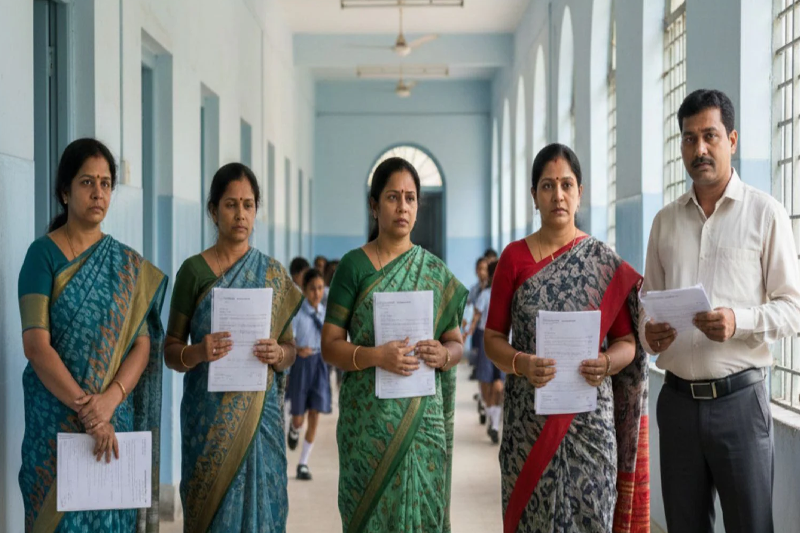
Kendriya Vidyalayas (KVs), India’s premier chain of central schools, are currently grappling with a shortage of over 10,000 staff members, with teaching positions constituting the majority of the vacancies. According to data shared by the Ministry of Education (MoE) in Lok Sabha, as of November 1, 2025, there are 8,457 teaching posts and 1,716 non-teaching posts unfilled.
Out of 56,520 sanctioned positions, KVs have filled 46,347, leaving a significant number of roles vacant. These vacancies have arisen due to a combination of retirements, resignations, promotions, employee transfers, leaves, and the opening of new KVs.
Vacancies by Category
The breakdown of teaching vacancies by category reveals:
- Unreserved (UR): 17,427
- Other Backward Classes (OBC): 13,211
- Economically Weaker Section (EWS): 11,114
- Scheduled Castes (SC): 7,235
- Scheduled Tribes (ST): 2,970
|
Staff Type |
Sanctioned Posts |
Staff in Position |
Vacant Posts |
|
Teaching |
50,414 |
41,957 |
8,457 |
|
Non-Teaching |
6,106 |
4,390 |
1,716 |
|
Total |
56,520 |
46,347 |
10,173 |
This data underscores the urgent need to accelerate recruitment and fill critical positions to ensure smooth academic operations.
Recruitment Trends in KVs Since 2014
Since 2014, 33,350 appointments have been made across teaching and non-teaching posts, with 30,876 recruitments for teaching staff alone.
The largest recruitment cycle was in 2022–23, with a total of 11,733 teachers recruited. Year-wise highlights include:
|
Year |
Posts |
UR |
EWS |
OBC |
SC |
ST |
Total |
|
2014–15 |
Teaching |
52 |
0 |
23 |
12 |
6 |
93 |
|
2015–16 |
Teaching |
1926 |
0 |
997 |
571 |
290 |
3,784 |
|
2016–17 |
Teaching |
3,202 |
0 |
1,618 |
915 |
458 |
6,193 |
|
2017–18 |
Teaching |
4,522 |
0 |
2,468 |
1,387 |
696 |
9,073 |
|
2022–23 |
Teaching |
4,865 |
1,114 |
3,116 |
1,769 |
869 |
11,733 |
Recruitment for non-teaching staff has been smaller in scale, totaling 3,474 positions filled since 2014.
Contractual Teachers Support Academics
To prevent disruption in learning due to vacancies, KVs frequently appoint contractual teachers at the local level. These appointments are temporary, filling gaps until a regular staff member joins, with no fixed tenure.
- Highest engagement of contractual teachers occurred in 2022–23, with 10,462 contractual appointments, the largest ever since 2014.
- Other notable years include 2018–19 (9,539 teachers) and 2024–25 (6,920 teachers).
This strategy has been essential to maintain classroom operations amid staffing shortages.
Expansion of Kendriya Vidyalayas
The Government of India is actively expanding the KV network under the PM SHRI scheme, aiming to transform KVs and Navodaya Vidyalayas into model institutions. Recent expansions include:
- 85 new KVs sanctioned in December 2024
- 57 new KVs sanctioned in October 2025
While the expansion enhances access to quality education, it also contributes to rising staff vacancies, as new schools require recruitment of both teaching and non-teaching personnel.
Declining Admissions Over Five Years
Despite network growth, new student enrollments in KVs have declined steadily over the past five academic years:
- 2020–21: 1,95,081 new students
- 2021–22: 1,82,846
- 2022–23: 1,57,914
- 2023–24: 1,75,386 (slight recovery)
- 2024–25: 1,39,660 (five-year low)
Currently, 1,280 KVs function nationwide, with a total student population of 13,50,518.
This downward trend in fresh enrollments signals potential challenges in maintaining optimal student-teacher ratios and underscores the importance of timely recruitment to ensure quality education.
Factors Contributing to Vacancies
The MoE has highlighted several reasons for persistent staff shortages in KVs:
- Opening of new KVs, requiring fresh appointments
- Retirement of existing staff
- Resignations and promotions
- Transfers or leave to other departments
- Upgradation of existing schools, increasing staff requirements
Filling these vacancies is a continuous process, governed by relevant recruitment rules, with periodic drives conducted to recruit both regular and contractual staff.
Looking Ahead
The government’s dual focus on expanding Kendriya Vidyalayas and upgrading them into model institutions presents both opportunities and challenges:
- Opportunities: Improved infrastructure, quality teaching, and adoption of modern pedagogical practices.
- Challenges: Ensuring adequate staffing to match the growth of schools, managing declining student admissions, and maintaining high standards of education amid staffing shortages.
Contractual appointments will continue to play a crucial role in bridging the gap until permanent recruitments are completed.
Conclusion
With over 10,000 vacancies, KVs face a significant staffing challenge that affects both teaching and non-teaching operations. While recruitment drives have made progress over the past decade, the decline in fresh student enrollments and continuous opening of new schools mean that the staffing crunch is unlikely to resolve immediately.
The government’s expansion plans under PM SHRI coupled with timely recruitment, strategic deployment of contractual teachers, and focus on filling category-wise vacancies are essential to maintain the academic excellence Kendriya Vidyalayas are known for.
By addressing these gaps promptly, KVs can continue to provide high-quality, equitable education to students across India.