Reimagining Schooling in Rajasthan: A Compassionate Turn Towards Student Mental Health
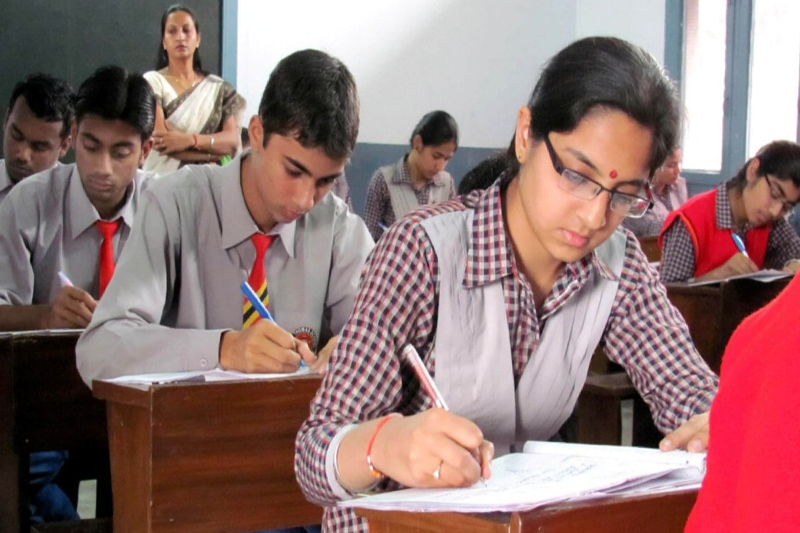
In a decisive and deeply humane move, the Rajasthan Education Department has unveiled a pioneering set of initiatives designed to support the emotional well-being of students in government schools. Prompted by an alarming rise in stress and anxiety among young learners, particularly during the pressure-intensive examination season, the Department’s reforms signal a substantial shift in how education is understood and delivered in the state. Rather than perceiving examinations as the sole arbiter of success, policymakers are recognising that the landscape of learning must encompass nurturing the whole child: intellectually, socially and psychologically.
The Context: Stress and Strain in the Modern Classroom
Across India and beyond, students are increasingly susceptible to mental strain. Long hours of study, relentless competition, parental and societal expectations, and the high stakes attached to board examinations have combined to form a crucible of pressure that many young people find difficult to bear. While academic achievement remains important, mounting evidence both local and global suggests that emotional distress can have deleterious effects on learning outcomes, self-esteem, and overall personal development.
The Rajasthan Education Department’s latest measures appear to be rooted in this emerging understanding. Officials underscore that the purpose of education is not merely to generate high scores on test papers, but to cultivate confident, resilient and emotionally balanced individuals who can navigate life’s challenges with poise.
A Paradigm Shift: From Marks to Mental Well-Being
At the heart of the department’s efforts is a genuine attempt to create supportive, safe and positive classroom environments, spaces where students can learn without fear, express themselves without inhibition, and flourish without unnecessary stress. This is no superficial cosmetic change; it represents a thoughtful reorientation of educational priorities.
School Education Secretary Krishna Kunal has articulated this ethos succinctly: examinations are but “a part of life, not the ultimate goal.” Such a perspective is bold and necessary, especially at a time when exam results are often treated as near-infallible indicators of ability or future potential. In reframing examinations as merely one aspect of a broader learning journey, Rajasthan’s education leadership acknowledges the complex human experience underlying every student’s school life.
Key Initiatives: Mindfulness, Play and Emotional Expression
To actualise this philosophy, the Department has introduced a series of inventive and evidence-informed programmes across its government schools. Among these are yoga sessions, structured activities for expressing gratitude, and an imaginative resource known as “Jaadui Pitara” literally a “magic kit”, which brings play-based learning into daily classroom practice.
Yoga, long recognised for its benefits in promoting balance, calm and mental focus, is being integrated into school schedules. Through guided practice, students learn to regulate breathing, centre attention and build a sense of inner calm. While yoga’s origins are ancient, its relevance to contemporary mental health is being validated by educators around the world, making its inclusion in school life particularly apt.
Complementing this is the cultivation of gratitude, a simple yet profound practice that encourages pupils to reflect on positive aspects of their lives. Research in positive psychology has shown that gratitude practices can reduce anxiety, improve interpersonal relationships, and foster a more optimistic mindset. In the charged atmosphere of exam preparation, pausing to acknowledge what is going well can serve as a powerful counterbalance to fear of failure.
Perhaps the most novel and intriguing component of the policy is the Jaadui Pitara. Designed as a play-based learning kit, it incorporates games, creative activities and resources that stimulate cognitive, linguistic and social growth. Far from reducing learning to rote memorisation or dry recitation, such tools invite exploration, dialogue and collaboration. For primary-age children in particular, play remains one of the most natural and effective avenues for learning, an approach that contrasts sharply with the drill-based methods that often dominate preparation for examinations.
Tailoring Support to Age and Development
The Department’s approach is not one-size-fits-all; it recognises that mental health needs vary with age and developmental stage. Younger pupils are engaged through storytelling, interactive games and creative projects that make the classroom a joyful environment. These activities nurture imagination, linguistic ability and confidence, while also building social skills and emotional intelligence.
For older students who may be more acutely aware of imminent board exams, future academic pathways, and societal expectations, the focus pivots towards expressive activities such as camps, motivational modules and structured sports programmes. These initiatives provide outlets for stress, encourage teamwork and resilience, and offer contexts in which students can articulate their feelings constructively.
Harnessing Technology for Well-Being
In a nod to modern learning environments, the initiatives also incorporate Information and Communication Technology (ICT) laboratories and smart TVs to screen mental-health-related content. Through carefully curated digital material, students are exposed to guidance on managing anxiety, understanding emotional responses, and building coping strategies. In this way, technology becomes an ally not merely a tool for academic instruction, but a medium for nurturing psychological well-being.
Early Signs of Impact
Initial feedback from schools suggests that these multi-pronged efforts are beginning to bear fruit. Educators report that students are exhibiting greater confidence, more positive attitudes towards learning, and a healthier relationship with examinations. While it is early days, such indicators are promising and may point to deeper cultural shifts taking place within the school ecosystem.
Broader Implications: A Template for Holistic Education
Rajasthan’s policy resonates beyond its own borders. In an era when educators internationally are grappling with rising levels of student stress, depression and disengagement, the emphasis on mental health stands as a powerful validation of holistic education. Traditional systems that prize scores above all else often overlook the complex interplay between emotional stability and academic achievement. By foregrounding the human aspects of learning, Rajasthan is offering a model that others might emulate.
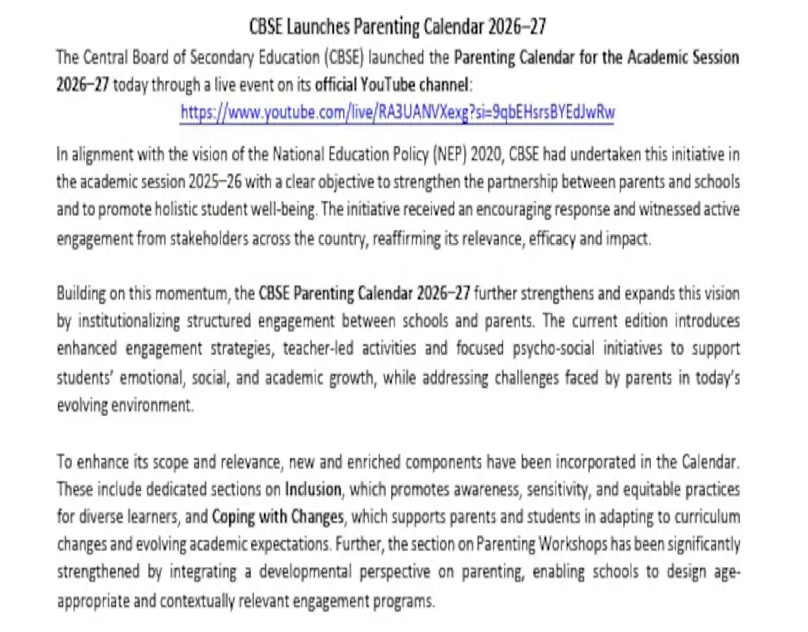
It also aligns with wider initiatives at the national level. For example, recent directives from national boards emphasise social-emotional learning, parental engagement in mental health awareness, and periodic review of assessment practices to reduce undue pressure on students.
Challenges and the Road Ahead
Yet, such innovation is not without challenges. Successful implementation will require sustained commitment from teachers, administrators and parents alike. Teachers must be supported through training to sensitively identify and respond to signs of student distress. Schools must be resourced adequately, and the approach continually assessed for effectiveness and inclusivity.
Parental involvement will also prove essential. When the messages of emotional balance, mindful learning and resilience are reinforced at home, students are more likely to internalise them. This calls for constructive communication between schools and families, and a shared commitment to valuing the mental wellbeing of children as much as their academic performance.
A New Chapter in Educational Ethos
Ultimately, the Rajasthan Education Department’s initiative is not merely a set of programmes, it is an affirmation of a fundamental truth: the heart of education lies in nurturing human beings, not producing exam robots. By redefining success, embracing play and reflection, and acknowledging the emotional realities of students’ lives, the state has taken a bold step towards a more compassionate and effective educational ecosystem.
As other regions observe and potentially adopt similar measures, there is hope that the future of schooling in India and perhaps beyond may become more humane, balanced and attuned to what every child truly needs to thrive. In reframing examinations as part of life rather than its pinnacle, Rajasthan has embraced a vision of education that honours the mind and the heart.