Texas Halts H-1B Visa Petitions at Public Universities and State Agencies, Impacting Indian Professionals
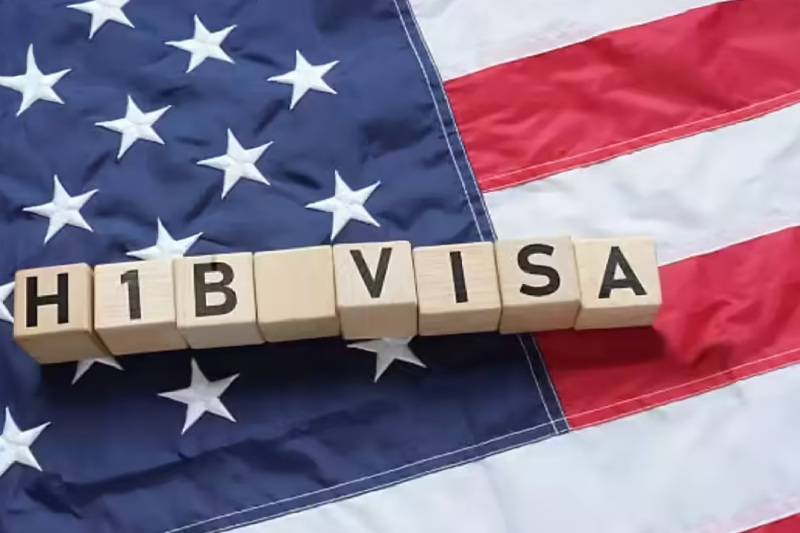
Texas Governor Greg Abbott has issued an immediate directive halting new H-1B visa petitions at state agencies and public universities, tightening the hiring process for foreign workers at taxpayer-funded institutions. The freeze, expected to remain in effect through May 2027, requires all state entities to obtain written approval from the Texas Workforce Commission (TWC) before filing new H-1B applications.
Abbott’s directive comes amid a broader federal review of the H-1B visa program and concerns over alleged misuse. The governor stated, “In light of recent reports of abuse in the federal H-1B visa programme, and amid the federal government’s ongoing review to ensure American jobs are going to American workers, I am directing all state agencies to immediately freeze new H-1B visa petitions.”
Institutions affected by the freeze must also report comprehensive data on H-1B visa usage, including the number of visa holders, job roles, countries of origin, and visa expiry dates.
Impact on Indian Professionals and Universities
Indians are the largest group of H-1B visa holders in the United States, comprising an estimated 71% of all approved applications in recent years. Chinese nationals hold the second spot. Many of these professionals work in technology, engineering, medicine, and research.
Texas public universities employ hundreds of international faculty and researchers, many from India, in disciplines ranging from engineering and healthcare to computer science and biotechnology. The Abbott directive could directly affect recruitment for research and teaching positions, potentially slowing innovation and academic growth in the state.
Data from Open Doors 2022-23 indicates that 270,000 Indian students were enrolled in US higher education institutions, accounting for 25% of the international student population and 1.5% of the total student body. These students contribute approximately USD 10 billion annually to the US economy through tuition, living expenses, and related spending, while also supporting around 93,000 jobs in universities and associated sectors.
Major Beneficiaries of H-1B Visas
Several Indian and multinational companies have traditionally benefited from H-1B visas, with Texas being a key hub for technology and research talent. According to the US Citizenship and Immigration Services (USCIS), top beneficiaries of H-1B visas in 2025 included:
- Amazon: 10,044 H-1B visa holders
- Tata Consultancy Services (TCS): 5,505
- Microsoft: 5,189
- Meta: 5,123
- Apple: 4,202
- Google: 4,181
- Deloitte: 2,353
- Infosys: 2,004
- Wipro: 1,523
- Tech Mahindra Americas: 951
The Abbott order threatens to slow recruitment for these organizations, especially those relying on Indian professionals to fill specialized technical roles.
Federal Context: H-1B Fee and Restrictions
The Texas order aligns with recent federal-level changes to the H-1B program initiated under the Trump administration. On September 19, 2025, President Trump signed a proclamation restricting entry for certain non-immigrant workers unless their H-1B petitions were accompanied by a USD 100,000 fee.
This fee applies to all new H-1B visa petitions submitted after September 21, 2025, including those for the FY2026 lottery. Only new applicants are subject to this requirement; renewals and existing visa holders are exempt.
Trump had also introduced the “Gold Card” visa pathway, allowing individuals or corporations willing to pay USD 1–2 million to access expedited H-1B processing and a route to a Green Card. These initiatives, coupled with state-level restrictions in Texas, significantly increase the cost and complexity for foreign professionals seeking employment in the state.
Economic and Academic Implications
Analysts warn that the freeze could have multiple consequences:
- Slow Recruitment of Skilled Professionals: Texas institutions may face difficulties hiring highly skilled technical experts, potentially delaying research projects, technology development, and innovation in universities and public agencies.
- Impact on Indian Workforce: With Indians forming the majority of H-1B holders, many prospective professionals could be prevented from working in Texas, affecting both career growth and cross-border knowledge exchange.
- Economic Considerations: Indian students and professionals contribute billions annually to Texas’s economy through tuition, housing, and local spending. Restrictions on visas may reduce these economic inflows over time.
Supporters of the directive argue that it protects local jobs for American workers, ensuring that taxpayer-funded institutions prioritize domestic talent. Critics, however, caution that such measures could weaken Texas’ competitiveness in higher education, research, and the technology sector.
Texas: A Hub for Skilled International Talent
H-1B visas allow US companies to hire technically skilled professionals not easily available domestically. The visas are initially granted for three years and can be extended for an additional three years. Texas, home to major universities and tech hubs, has traditionally relied on H-1B visa holders to meet the demand for specialized skills in science, technology, engineering, and healthcare.
State universities in Texas employ numerous international faculty members and researchers who play critical roles in teaching, research, and innovation. Limiting new H-1B visas could hinder Texas universities’ ability to maintain global standards in research and higher education.
Balancing Immigration Policy and Workforce Protection
The Abbott order reflects the ongoing debate in the US over skilled immigration and state-level authority over federal programs. While the federal government controls H-1B issuance, states like Texas are exploring ways to influence hiring at state-funded institutions.
The challenge lies in balancing the need to protect local jobs with the necessity of attracting global talent that drives innovation and research. Universities, tech firms, and medical institutions argue that H-1B workers are essential for maintaining competitiveness and meeting workforce demands in fields where domestic talent is limited.
Conclusion: A Critical Moment for H-1B Professionals in Texas
Governor Abbott’s freeze on H-1B visa petitions at state agencies and public universities marks a significant shift in Texas’ immigration and workforce policy. Indian professionals, who form the largest group of H-1B visa holders, are likely to feel the impact first, particularly in academia, healthcare, engineering, and technology sectors.
While the policy aims to prioritize American workers, it may slow the recruitment of international talent, delay research, and affect the state’s global competitiveness. With the freeze in effect until May 2027, companies and institutions will need to carefully navigate the new regulations, obtain approvals from the Texas Workforce Commission, and plan for alternative staffing strategies.
As Texas balances workforce protection with innovation, the coming months will reveal the broader impact of this policy on Indian professionals, universities, and the technology sector at large.