Winter Vacations 2026: Schools Shut Across Punjab, Assam, UP, Bihar, and Jharkhand Amid Extreme Cold and Fog
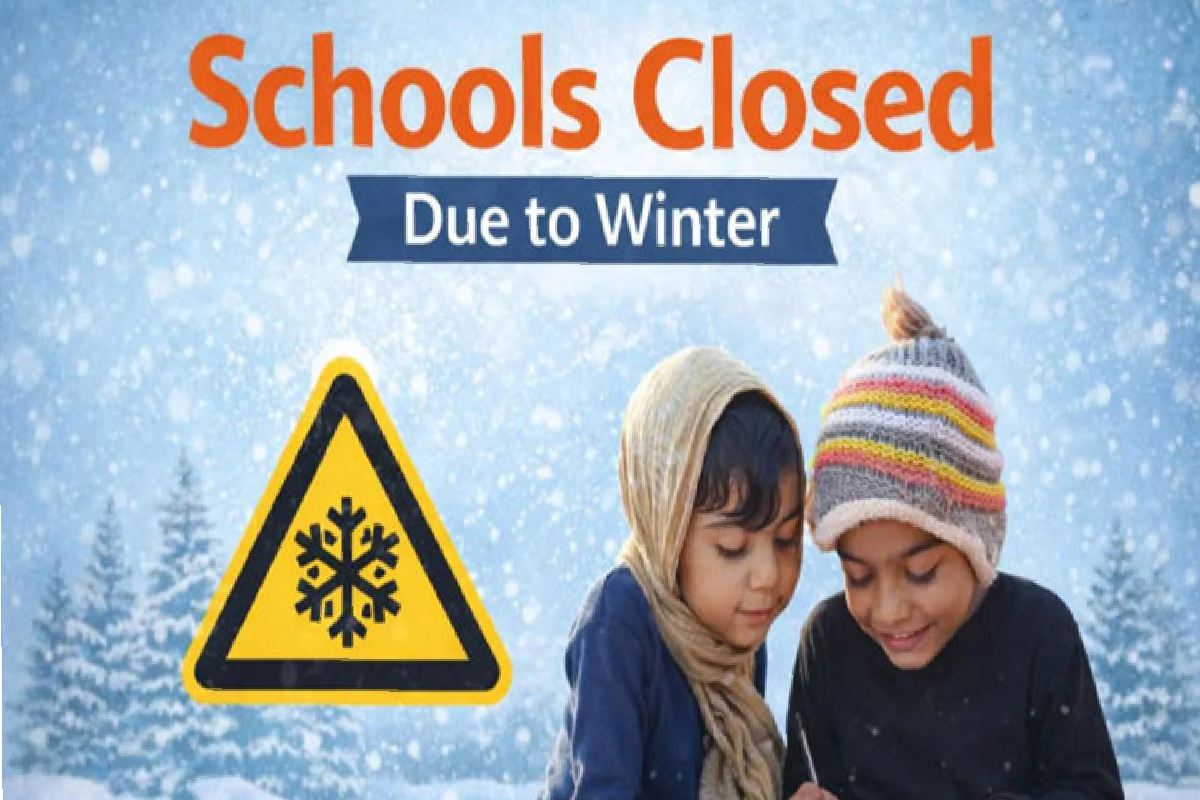
As winter 2026 reaches its peak, extreme cold conditions have forced multiple states in north and northeast India to shut down schools temporarily. Punjab, Assam, Uttar Pradesh, Bihar, and Jharkhand have all issued directives suspending classes in government, private, and aided institutions to protect students from plummeting temperatures, dense fog, and cold waves. Authorities cited student health and safety as the top priority, with decisions expected to evolve based on ongoing weather developments.
The move affects students from Class 5 to Class 12, whose winter vacation is officially scheduled from December 16 to February 28, 2025. However, severe weather conditions have necessitated earlier or extended breaks in several states.
Punjab Extends Winter Break Till January 7 Amid Fog and Plummeting Temperatures
Punjab bore the brunt of cold waves with dense fog enveloping large parts of the state. The Punjab Education Minister, Harjot Singh Bains, announced via social media platform X that schools would remain closed until January 7, 2026. This directive applies to all government, aided, recognised, and private schools across the state.
“In accordance with the directives of the Honorable Chief Minister S. Bhagwant Singh Mann Ji, and considering the health and safety of children and staff amid continuously rising cold and fog conditions, holidays are being declared in all schools until January 7,” Bains stated. Schools in Punjab are expected to resume normal academic activities from January 8.
Assam Schools Shut in Kamrup Metropolitan District to Protect Students
Assam also witnessed a significant cold spell, particularly in the Kamrup Metropolitan district, which includes Guwahati. The district administration ordered all government and provincialised schools to remain closed from December 31, 2025, to January 6, 2026, resuming classes on January 7. Provincialised schools are private institutions that have been taken over by the government, while private schools were advised to make their own decisions in the best interest of students.
The India Meteorological Department (IMD) reported a maximum temperature of 18.1 degrees Celsius in Guwahati on Tuesday, approximately 6.4 degrees below normal. Cloudy skies, light rain or drizzle, and shallow to moderate fog are expected to continue over Assam. An upper air cyclonic circulation over Northeast Assam has been identified as a factor influencing the persistent cold spell.
Uttar Pradesh Schools in Gautam Buddha Nagar Closed Until January 1
In Uttar Pradesh, schools across Gautam Buddha Nagar district, including CBSE, ICSE, IB, and UP Board institutions, were ordered to remain closed until January 1 due to severe cold and thick fog. The directive covers students from nursery to Class 12.
The District Basic Education Officer, Rahul Pawar, confirmed that while students would stay home, teachers and staff were required to report for duty as usual. Schools in the district are scheduled to reopen on January 2, allowing students to resume classes after the brief winter hiatus.
Bihar and Jharkhand Suspend Classes as Cold Wave Persists
Bihar and Jharkhand also implemented precautionary school closures in response to the cold wave. In Bihar, several districts, including the state capital Patna, experienced unusually low temperatures, prompting authorities to shut schools until December 30.
Jharkhand issued a yellow alert for parts of the state, including Ranchi, resulting in school closures until December 31. Officials emphasised that these steps were taken to protect children from cold-related health risks, highlighting the increasing need for proactive measures in the face of extreme winter conditions.
Authorities Stress Health and Safety Amid Prolonged Cold
State governments and district administrations across affected regions have made student health and safety their top priority, balancing academic schedules with the risks posed by extreme winter conditions. Extended winter breaks, temporary suspensions, and early reopenings will continue to be decided based on real-time weather assessments.
Parents and guardians have been urged to ensure that children remain warm, stay indoors when necessary, and take precautions to avoid cold-related illnesses. Meanwhile, schools have been advised to remain flexible with academic calendars to accommodate lost classroom time without compromising educational standards.
A Winter of Vigilance and Caution
The widespread school closures in Punjab, Assam, Uttar Pradesh, Bihar, and Jharkhand underscore the growing impact of extreme weather events on education in India. Authorities are taking unprecedented steps to prioritise student safety, from extending holidays to issuing advisory alerts, highlighting the need for responsive policies during climate-induced disruptions.
As winter 2026 continues, students, parents, and educators alike are navigating a delicate balance between maintaining academic progress and safeguarding health, with authorities emphasizing vigilance, precaution, and adaptability in the face of severe cold and dense fog.