Indian Institute of Management Ahmedabad Partners with OpenAI to Enable Effective and Responsible Use of AI
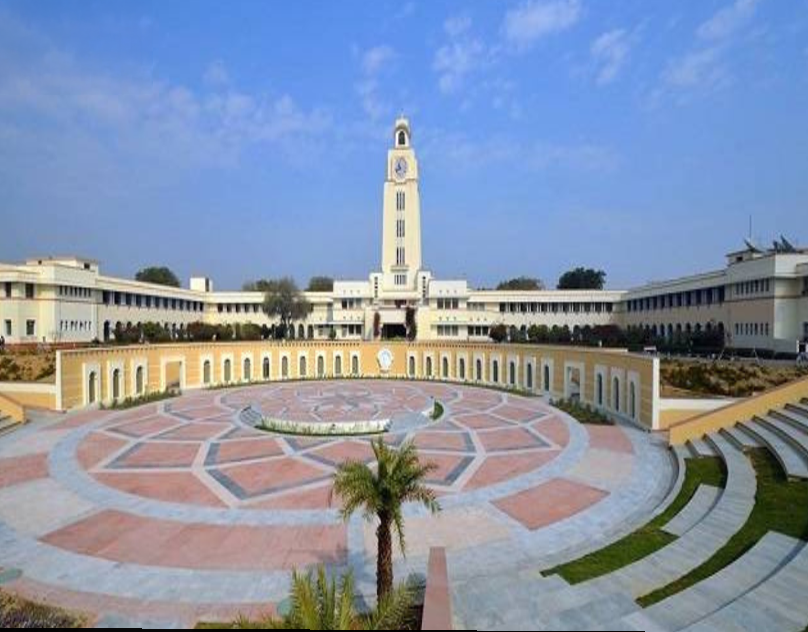
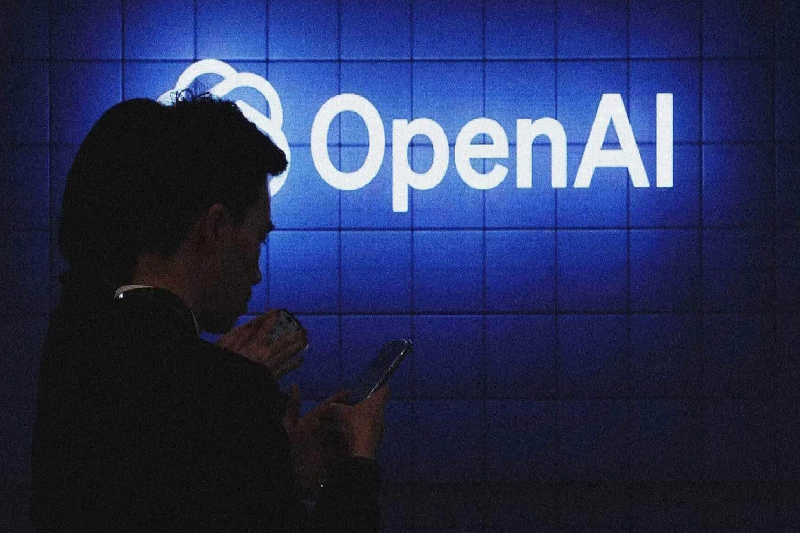
In a significant step towards embedding artificial intelligence within mainstream management education, the Indian Institute of Management Ahmedabad (IIMA) has announced a strategic collaboration with OpenAI, the organisation behind ChatGPT. The partnership seeks to foster the effective and responsible use of artificial intelligence across the institute’s academic and administrative ecosystem, positioning IIMA at the forefront of AI-integrated higher education in India.
The announcement marks more than a technological upgrade; it represents a deliberate institutional shift towards building an AI-aware and AI-capable academic community. As generative AI reshapes industries, workflows and decision-making paradigms, leading business schools are increasingly called upon to prepare graduates not only to understand these tools, but to use them ethically and strategically.
Campus-Wide Deployment of ChatGPT Edu
At the heart of the collaboration lies the campus-wide deployment of ChatGPT Edu, a university-centred generative AI platform designed specifically for educational institutions. IIMA has confirmed that the tool will be integrated across its degree programmes as well as executive education offerings, ensuring that students at multiple stages of their professional journeys benefit from structured AI exposure.
Unlike consumer-grade AI applications, ChatGPT Edu is tailored to meet institutional requirements, including academic rigour, privacy considerations and pedagogical alignment. Its integration signals a move towards embedding AI not as a peripheral tool, but as an integral component of the learning environment.
By deploying the platform across the campus, IIMA intends to create a shared digital infrastructure that supports students, faculty and staff alike. The initiative underscores a recognition that AI literacy is no longer optional for future leaders; it is foundational.
Building a Comprehensive AI Ecosystem
According to the institute’s official statement, the partnership is designed to lay the foundation for a comprehensive AI ecosystem on campus. This ecosystem will extend beyond classroom usage to encompass research, industry collaboration and innovation within management education.
Artificial intelligence will be woven into disciplines including strategy, operations, finance, marketing, entrepreneurship and public policy. Such cross-functional integration reflects the reality of modern organisations, where AI influences everything from supply chain optimisation to financial modelling and consumer analytics.
In strategy classrooms, AI tools can assist in scenario analysis and competitive intelligence modelling. In operations, they can support data-driven optimisation. In finance and marketing, predictive analytics and consumer behaviour modelling are already reshaping practice. By embedding generative AI within these academic streams, IIMA aims to ensure that its graduates are conversant with emerging tools and methodologies.
Faculty Empowerment and Pedagogical Innovation
A distinctive aspect of the collaboration is its emphasis on faculty empowerment. IIMA has stated that AI-based services will assist faculty members in integrating generative AI into case-based pedagogy and classroom workflows.
Case-based teaching has long been a hallmark of management education, particularly at leading institutions. The introduction of AI into this pedagogical framework opens new possibilities: dynamic case simulations, real-time data augmentation and scenario modelling that evolves during classroom discussions.
Faculty development will be central to this transformation. The institute plans to build AI capability through training sessions, hands-on projects and structured initiatives that equip educators to leverage generative tools responsibly. Rather than supplanting traditional teaching methods, AI is envisioned as an augmentative resource, enhancing analytical depth and classroom engagement.
Preparing Students for an AI-Driven Workplace
For students, the collaboration promises structured exposure to AI applications aligned with industry needs. In partnership with OpenAI, IIMA will design training modules and industry-linked initiatives that reflect the realities of contemporary workplaces increasingly shaped by automation, machine learning and data intelligence.
Management graduates entering sectors such as consulting, finance, technology and public policy must now navigate environments where AI tools influence strategic decision-making. By embedding practical AI training within its programmes, IIMA seeks to narrow the gap between academic instruction and professional expectations.
Hands-on projects will allow students to experiment with AI-driven solutions in real-world contexts. Such experiential learning is likely to deepen understanding while cultivating critical judgement, an essential attribute in assessing when and how AI should be deployed.
Responsible and Ethical AI Adoption
Equally significant is the emphasis on responsible AI usage. In his remarks accompanying the announcement, IIMA Director Bharat Bhasker highlighted that the collaboration aims not merely to produce an AI-native workforce, but to nurture an ethically informed one.
The responsible deployment of generative AI involves considerations of bias, data privacy, intellectual property and transparency. As AI systems become more embedded in organisational decision-making, leaders must grapple with complex ethical questions. By foregrounding responsible usage, IIMA acknowledges that technological proficiency must be accompanied by ethical discernment.
Workshops, resource materials and structured activities are expected to address these dimensions, encouraging students and staff to approach AI with critical awareness rather than unreflective enthusiasm.
A Strategic Institutional Shift
The collaboration reflects a broader strategic recalibration within higher education. Globally, universities and business schools are re-evaluating curricula in response to rapid technological change. Institutions that fail to adapt risk producing graduates ill-equipped for contemporary challenges.
For IIMA, a premier management institution with a long-standing reputation for academic excellence, the partnership signals a proactive embrace of transformation. By institutionalising AI adoption rather than treating it as an experimental add-on, the institute positions itself as a leader in the evolving educational landscape.
Moreover, the collaboration with OpenAI situates IIMA within a global network of institutions exploring AI integration. Such partnerships facilitate knowledge exchange and ensure access to evolving technological advancements.
Beyond Technology: Cultural Transformation
The introduction of AI across campus is likely to catalyse cultural change. As students and faculty engage with generative tools, workflows may evolve. Research methodologies could incorporate AI-assisted literature reviews and data analysis. Administrative processes may benefit from automation and enhanced efficiency.
However, the success of such transformation depends on thoughtful implementation. Institutional buy-in, clear guidelines and continuous evaluation will be critical in ensuring that AI enhances rather than disrupts academic integrity.
By articulating a vision of a comprehensive AI ecosystem, IIMA signals its awareness that meaningful adoption requires systemic alignment. Training, governance frameworks and feedback mechanisms will be central to sustaining momentum.
Looking Ahead
As artificial intelligence continues to reshape industries and redefine competencies, educational institutions bear a responsibility to anticipate and respond. The collaboration between IIMA and OpenAI represents a considered response to this imperative.
Through campus-wide deployment of ChatGPT Edu, faculty training initiatives and industry-linked projects, IIMA aims to cultivate graduates who are not merely conversant with AI tools, but capable of deploying them judiciously. The emphasis on responsible use further underscores the institute’s commitment to ethical leadership.
In aligning technological innovation with pedagogical integrity, IIMA sets a compelling example for management education in India and beyond. The partnership reflects a recognition that the future of leadership lies at the intersection of analytical acuity, technological fluency and moral responsibility, a convergence that institutions must now actively foster.