Why Indian Students Are Now the Largest Group in UK Study and Graduate Visa Numbers
In a striking development within global academic mobility, Indian students have now emerged as the largest single group of international learners entering the United Kingdom for higher education, surpassing long-standing powerhouses such as China and Pakistan. This shift, revealed in the latest UK Home Office visa data, signals not only changing migration dynamics but also the growing allure of the UK as a destination of choice for ambitious students from the subcontinent.
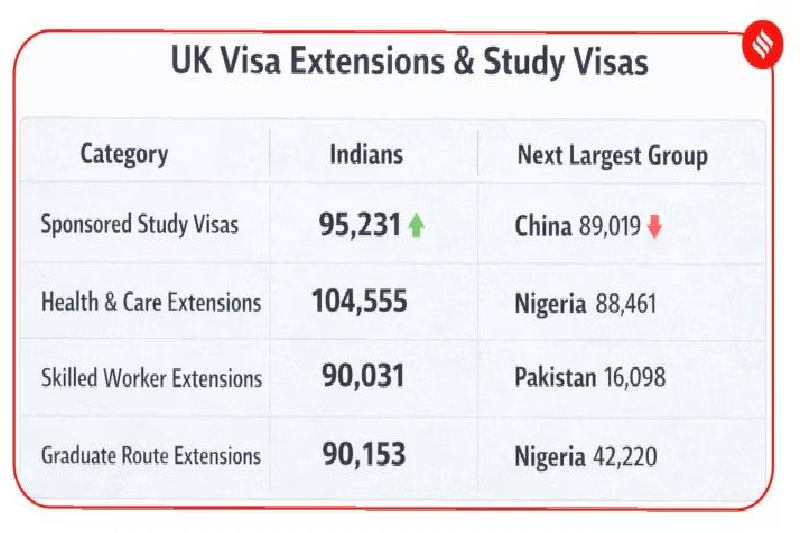
For decades, the UK’s universities have drawn bright minds from every corner of the globe. Yet until recently, Chinese nationals traditionally accounted for the largest segment of sponsored study visas. That pattern has now been overtaken by a surge in Indian applicants. In the year ending December 2025, Indian nationals received 95,231 sponsored study visas, making them the number one cohort of international students in the UK, a position previously held by Chinese students.
A Shift in the Numbers: What the Data Reveals
The official statistics make for compelling reading. While Indian student numbers continued to climb - albeit modestly, by around 3 per cent year-on-year, Chinese applications declined by about 7 per cent. Consequently, India accounted for roughly 23 per cent of all sponsored study visas granted to main applicants. This is a remarkable milestone, illustrating not only India’s growing demographic footprint in international education but also its growing preference for British universities over other global destinations.
The data also underscores notable trends beyond first-time study visas. Indian nationals dominated in Graduate Route extensions, with 90,153 extensions granted, representing about 42 per cent of all Graduate Visa extensions globally. Nigeria and Pakistan trailed with significantly smaller figures.
The Graduate Route, introduced by the UK government, allows international students to remain in the UK for up to two years (or three years for doctoral graduates) to seek employment after completing their studies. This has been a pivotal draw for students seeking both world-class education and broader opportunities in the global job market.
Why Indian Students Are Choosing the UK
Multiple factors lie behind this surge in Indian student migration:
- Post-Brexit Immigration Reforms: Since the UK’s departure from the European Union, visa rules have been recalibrated. The changes have made the country a more accessible option for skilled students from non-EU nations, leading to a marked increase in study and work-related visas for Indian applicants.
- Competitive Refusal Rates: Indian students have also benefited from relatively low visa refusal rates, around 4 per cent compared to double-digit refusal rates for some other nationalities, notably Pakistan and Nigeria. This reliability offers reassurance to prospective students and their families.
- Robust Career Pathways: The Graduate Route, combined with access to the UK’s thriving employment sectors, enhances the appeal of British qualifications. Students see the UK as not just an academic destination but a launchpad for global careers.
- Proximity and Connectivity: The UK’s relative geographical closeness to India, combined with strong historical ties, a large Indian diaspora and extensive flight connectivity also contribute to its appeal.
Strategic Choices and Institutional Dynamics
British universities have actively pursued international student recruits to address financial and demographic pressures. As overall immigration patterns evolve, UK institutions have placed increased emphasis on diversifying recruitment beyond traditional markets. India’s large, English-speaking student population naturally positions it as an attractive source region. Over recent years, data from other educational bodies and research institutions has shown a broader pattern of Indian ascendancy in the UK’s student statistics. For example, independent analyses have demonstrated that by the 2023/24 academic cycle, India overtook China as the leading country of origin for new international students with roughly 25 per cent of all new entrants coming from India.
Changing Migration, Changing Universities
The implications of this demographic transition are significant. Among them:
- Institutional Strategy: Universities are now tailoring outreach and admissions strategies to India, recognising its central role in sustaining international enrolments.
- Economic Contributions: Indian students contribute significantly to local economies across the UK, both through tuition fees and living expenditures.
- Cultural Exchange: As the largest international student group, Indian students enrich the cultural and intellectual fabric of campuses, fostering global perspectives within academic communities.
Yet, there are also challenges. The number of dependents, family members joining students has diminished sharply following policy changes in early 2024 that restricted dependents for most international students. This has helped temper overall immigration figures while keeping study visa numbers buoyant.
Moreover, although Indian students now form the largest group, the broader international student environment remains dynamic and competitive. Countries such as the United States, Canada and Australia continue to vie for top talent, adjusting policies and programmes to attract global applicants.
Beyond Campus: Work and Long-Term Prospects
The rise in Graduate Route extensions for Indian students underscores a shift in aspirations. Rather than treating study abroad as a finite academic experience, an increasing number of Indians view the UK as the starting point for a professional trajectory, whether in Britain or in other global hubs.
While the Graduate Route offers two to three years of post-study work opportunities, ongoing policy debates suggest this may evolve. Government announcements indicate that from January 2027, the Graduate Visa period may be shortened to 18 months for bachelor’s and master’s degree holders, a move intended to encourage faster transition into skilled employment.
This potential recalibration reflects wider political efforts to balance the benefits of attracting talented international students with broader immigration management priorities.
Navigating the Future
As this new chapter unfolds, Indian students and those advising them must remain mindful of the evolving policy environment. The UK’s global education system continues to offer exceptional opportunities, but prospective applicants should approach choices with a clear understanding of visa conditions, costs and long-term career prospects.
Despite some tensions and uncertainties, one thing is indisputable: Indian students have reshaped the UK’s international education landscape. Their growing presence reflects not just changing visa statistics but a broader shift in global academic hierarchies, one in which talent, aspiration and transnational mobility converge to define the future of higher education