CBSE Class 10 Result 2026 Soon: Check via DigiLocker, UMANG
CBSE Class 10 Results 2026: Expected Release, Digital Access via UMANG and DigiLocker, and What Students Should Know
The anticipation surrounding the CBSE Class 10 Results 2026 has reached a decisive moment, with strong indications suggesting that the scorecards are likely to be released within the next few days. Updates emerging from government-backed digital platforms such as UMANG and DigiLocker have signalled that the results are imminent, heightening expectations among millions of students across the country. Conducted by the Central Board of Secondary Education (CBSE), the Class 10 board examinations represent one of the most significant milestones in a student’s academic journey. With over 25 lakh candidates reportedly awaiting their results this year, the announcement will not only mark the culmination of months of preparation but also influence future academic decisions, including subject selection and career pathways.
Imminent Result Declaration: What the Latest Signals Indicate
Although CBSE has not officially confirmed a specific date or time for the release of the Class 10 results, recent updates from DigiLocker and the UMANG app strongly suggest that the announcement is just around the corner.
DigiLocker has issued a notification indicating that results will be available soon, while the UMANG platform has similarly hinted at hosting the scorecards once they are declared. These developments serve as reliable indicators, as both platforms are officially integrated with CBSE’s digital result dissemination system.
Such early signals are part of a broader effort to ensure that students are adequately prepared to access their results without unnecessary delays or technical difficulties.
Where to Check CBSE Class 10 Results
Once released, students will be able to access their results through multiple official and alternative platforms. The primary websites include:
- cbse.gov.in
- results.cbse.nic.in
- cbseresults.nic.in
To check their scorecards, candidates will need to enter essential credentials such as their roll number, school number and admit card details.
However, given the high volume of users on result day, these websites often experience heavy traffic, leading to slower response times or temporary outages. Recognising this challenge, CBSE has expanded access through multiple digital channels.
Digital Platforms: A Shift Towards Seamless Access
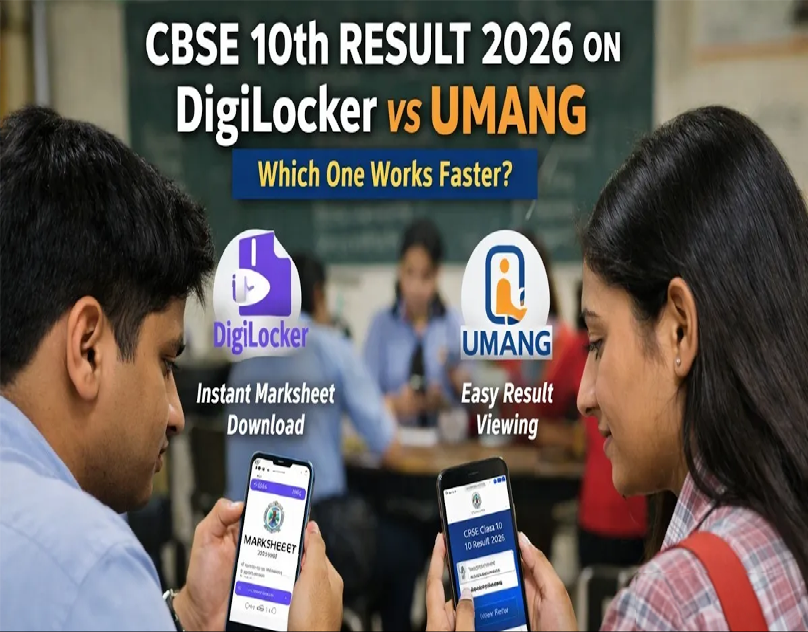
One of the most notable aspects of the 2026 result cycle is the emphasis on digital accessibility. Platforms such as DigiLocker and UMANG are expected to play a central role in ensuring smooth and efficient access to scorecards.
DigiLocker, a government-backed cloud-based platform, allows students to access their marksheets and certificates in a secure digital format. These documents are officially recognised and can be used for admissions and other purposes without requiring physical copies.
Similarly, the UMANG app (Unified Mobile Application for New-age Governance) provides a user-friendly interface for accessing a range of government services, including CBSE results. Students can simply log in, navigate to the CBSE section and retrieve their scorecards.
This integration of digital platforms reflects a broader transformation in the education ecosystem, where technology is increasingly being leveraged to enhance accessibility, efficiency and transparency.
Alternative Methods: Ensuring Accessibility for All
In addition to online portals and mobile applications, CBSE has also provided alternative methods for students to check their results. These include:
- SMS services for receiving results directly on mobile phones
- IVRS (Interactive Voice Response System) for accessing results via telephone
- Third-party websites that mirror official data for easier access during peak traffic
These multiple access points ensure that students, regardless of their internet connectivity or device availability, can obtain their results without significant inconvenience.
Step-by-Step Guide to Download Scorecards
To simplify the process, students can follow these steps to download their CBSE Class 10 scorecards:
Via Official Website:
- Visit the official CBSE result portal
- Click on the Class 10 result link
- Enter roll number, school number and date of birth
- View the result on the screen
- Download and save the marksheet
Via UMANG App:
- Download or open the UMANG app
- Log in using registered credentials
- Search for “CBSE” services
- Select “Class 10 Result 2026”
- Enter the required details to view the scorecard
Via DigiLocker:
- Log in or create a DigiLocker account
- Navigate to CBSE documents
- Enter required credentials or access code
- Download the digital marksheet
These streamlined steps are designed to ensure a smooth and user-friendly experience for students.
Importance of DigiLocker and APAAR ID
An important aspect highlighted in recent updates is the role of the APAAR ID (Automated Permanent Academic Account Registry). Students are encouraged to create or link their APAAR ID with DigiLocker to facilitate seamless access to their digital marksheets.
However, recent clarifications suggest that even students without an APAAR ID may still be able to access their results, ensuring inclusivity and ease of access.
The adoption of such digital identity systems is part of the government’s broader initiative to create a unified academic repository for students across the country.
Scale and Significance of CBSE Class 10 Results
The CBSE Class 10 examinations are among the largest academic assessments in India, with participation running into millions each year.
These results hold immense significance, as they influence several critical academic decisions, including:
- Selection of streams (Science, Commerce or Humanities)
- Admission into higher secondary institutions
- Preparation for competitive examinations
For many students, the Class 10 result serves as the first major benchmark in their academic journey.
What Happens After the Results?
The declaration of results is followed by several important processes. Students who are dissatisfied with their scores may apply for:
- Re-evaluation or rechecking of answer scripts
- Supplementary examinations for subjects not cleared
These provisions ensure that students have opportunities to improve their performance and continue their academic progression without major setbacks. Additionally, CBSE’s evolving examination policies, including the introduction of multiple exam opportunities in a year, aim to reduce stress and provide greater flexibility to students.
Avoiding Common Pitfalls on Result Day
Given the scale of the announcement, students may encounter certain challenges on result day, such as:
- Website crashes due to heavy traffic
- Delayed loading times
- Difficulty accessing login credentials
To mitigate these issues, it is advisable to:
- Keep all required details readily available
- Use alternative platforms like DigiLocker and UMANG
- Avoid repeated refresh attempts on official websites
A calm and patient approach can significantly enhance the experience of accessing results.
The Broader Shift Towards Digital Education Governance
The increasing reliance on platforms like DigiLocker and UMANG reflects a larger transformation within India’s education system. By integrating digital tools into result dissemination, CBSE is not only improving efficiency but also promoting transparency and accessibility.
Digital marksheets, in particular, offer several advantages:
- Instant availability
- Secure storage
- Easy sharing for admissions and documentation
This shift aligns with national initiatives aimed at creating a more connected and technologically advanced educational framework.
Conclusion
As the CBSE Class 10 Results 2026 draw near, students across the country find themselves at a pivotal juncture. While the outcome of the examination is undoubtedly significant, it is essential to recognise that it represents only one step in a much larger academic journey. The availability of multiple platforms for accessing results, coupled with provisions for re-evaluation and improvement, ensures a balanced and student-centric approach to assessment. Ultimately, success should not be measured solely by marks, but by the resilience, adaptability and determination that students carry forward. As the results are declared in the coming days, they will open new doors, each leading to opportunities for growth, learning and future achievement.