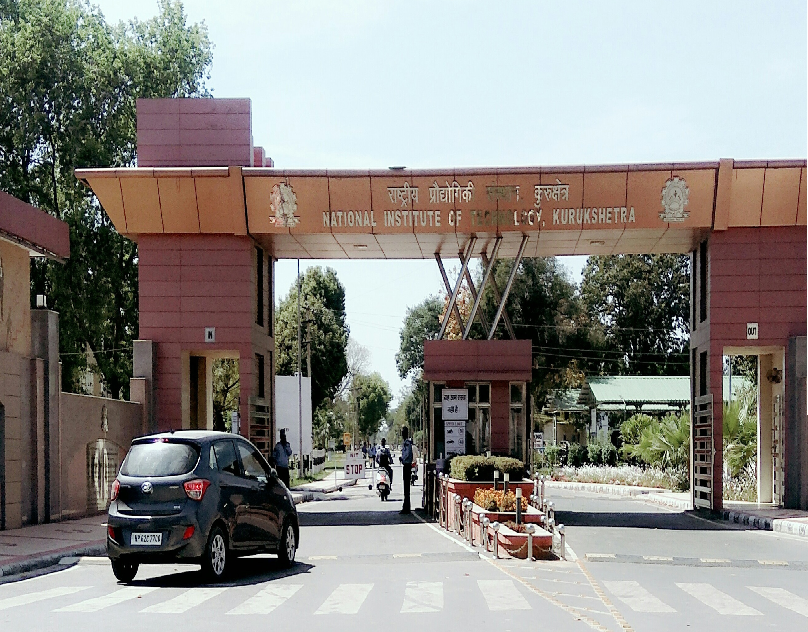
Education Ministry Forms Probe Panel to Review NIT Kurukshetra
Education Ministry constitutes 3-member probe panel to review work, affairs at NIT Kurukshetra
In the intricate ecosystem of India’s higher education institutions, governance and accountability are as vital as academic excellence. The recent decision by the Union Ministry of Education to constitute a three-member probe panel to review the functioning of the National Institute of Technology (NIT) Kurukshetra reflects a decisive intervention aimed at reinforcing institutional integrity.
This development, accompanied by the withdrawal of administrative and financial powers of the institute’s director, signals a moment of scrutiny, one that underscores the importance of transparent leadership and robust administrative frameworks in premier technical institutions.
A Significant Institutional Intervention
The Ministry’s move is not merely procedural; it is emblematic of a broader commitment to ensuring that centrally funded institutions maintain the highest standards of governance. NIT Kurukshetra, a prominent institution ranked among the top 100 in the National Institutional Ranking Framework (NIRF), occupies a critical position within India’s technical education landscape.
The decision to initiate a formal review suggests that concerns - whether administrative, academic or structural, have reached a level warranting direct oversight. While the precise triggers for this intervention have not been publicly disclosed, the scale and seriousness of the response indicate underlying issues of significance.
Composition of the Probe Panel
The three-member committee constituted by the Ministry comprises distinguished figures from academia and administration. It is chaired by Professor Anil Sahasrabudhe, Chairman of the National Education Technology Forum (NETF) and former head of the All India Council for Technical Education (AICTE).
The panel also includes M. Madan Gopal, a retired IAS officer and Chairperson of the Board of Governors at VNIT Nagpur and Professor K.K. Shukla, Director of MANIT Bhopal.
This composition reflects a deliberate effort to combine academic insight with administrative expertise. Such a blend is essential for a comprehensive evaluation, ensuring that the review encompasses both pedagogical quality and governance efficiency.
Scope and Mandate of the Committee
The committee has been entrusted with a wide-ranging mandate. It is tasked with examining the overall functioning of the institute, including governance structures, academic processes and administrative operations.
Beyond these broad parameters, the panel will also review specific areas of concern:
- Recruitment and promotion processes
- Handling of staff grievances
- Complaints received from vigilance bodies
- Institutional performance indicators, including NIRF rankings
- Vacancies in key statutory and administrative positions
The inclusion of such detailed areas within the mandate suggests that the review is intended to be both diagnostic and corrective. It is not merely about identifying issues, but about laying the groundwork for systemic improvement.
Leadership Under Scrutiny
A particularly noteworthy aspect of the development is the explicit focus on the leadership role of the institute’s director, Professor B.V. Ramana Reddy. The Ministry’s order directs the committee to examine his functioning alongside the broader institutional framework.
Simultaneously, the withdrawal of his administrative and financial powers represents a significant step, one that effectively limits his operational authority pending the outcome of the review.
Such measures are uncommon and typically reserved for situations where immediate oversight is deemed necessary. While the reasons for this action have not been officially disclosed, it underscores the seriousness with which the Ministry is approaching the matter.
Institutional Challenges and Performance Concerns
Among the issues to be examined is the institution’s performance trajectory, including any decline in rankings or operational efficiency. The reference to prolonged vacancies in key positions, such as that of Registrar, points to potential administrative bottlenecks that may have impacted institutional functioning.
In higher education institutions, leadership continuity and administrative stability are critical. Vacancies in pivotal roles can disrupt decision-making processes, delay implementation of policies and affect both academic and non-academic operations.
The committee’s mandate to assess such aspects reflects an understanding that institutional performance is a product of both academic quality and administrative coherence.
The Role of Vigilance and Accountability
Another significant dimension of the review pertains to complaints forwarded by vigilance bodies, including the Central Vigilance Commission.
The inclusion of this aspect highlights the importance of ethical governance in public institutions. Allegations or concerns raised through formal channels necessitate thorough examination, not only to address specific issues but also to reinforce a culture of accountability.
By incorporating vigilance-related matters into the scope of the probe, the Ministry signals its intent to uphold transparency and ensure that institutional processes adhere to established norms and standards.
Timeline and Expectations
The committee has been directed to submit its report within one month from the issuance of the order.
This relatively tight timeline suggests a sense of urgency. It indicates that the Ministry is keen to arrive at conclusions swiftly, enabling timely corrective measures where necessary.
The panel has also been authorised to visit the campus, access records, and engage with faculty, staff and other stakeholders. Such comprehensive access is essential for an informed and balanced assessment.
Broader Implications for Higher Education
The developments at NIT Kurukshetra must be viewed within the broader context of India’s higher education reforms. As the country seeks to enhance the global competitiveness of its institutions, governance has emerged as a critical focal point.
Incidents that prompt central intervention serve as reminders that institutional autonomy must be balanced with accountability. While autonomy enables innovation and flexibility, accountability ensures that such freedom is exercised responsibly.
The Ministry’s action may also have a signalling effect, reinforcing expectations of transparency and efficiency across other centrally funded institutions.
The Human Dimension
Beyond policy and governance, it is important to recognise the human dimension of such developments. Faculty, students, and staff are all stakeholders in the institution’s functioning, and periods of administrative uncertainty can have tangible impacts on morale and productivity.
Ensuring clear communication, maintaining academic continuity, and safeguarding the interests of students must remain priorities during the review process.
Looking Ahead
As the probe panel begins its work, the focus will inevitably shift towards outcomes. The committee’s findings will likely inform future decisions regarding leadership, administrative reforms and institutional strategy.
Whether the review results in structural changes, policy revisions, or leadership transitions, its ultimate objective will be to strengthen the institution and restore confidence among stakeholders.
Conclusion
The constitution of a three-member probe panel to review the affairs of NIT Kurukshetra represents a significant moment in the governance of Indian higher education. It reflects a commitment to accountability, a willingness to confront challenges and an emphasis on maintaining the integrity of academic institutions.
While the immediate focus remains on investigation and assessment, the broader narrative is one of reform and renewal. Institutions, after all, are dynamic entities, capable of introspection, adaptation and growth.
In addressing the present concerns, the Ministry and the appointed committee have an opportunity not only to resolve specific issues but also to reinforce the principles that underpin excellence in higher education: transparency, responsibility and an unwavering commitment to academic and administrative integrity.


