Texas A&M University Ends Women’s Studies Program Amid Controversial New Policy on Race and Gender Topics
University Implements Sweeping Changes Across Courses
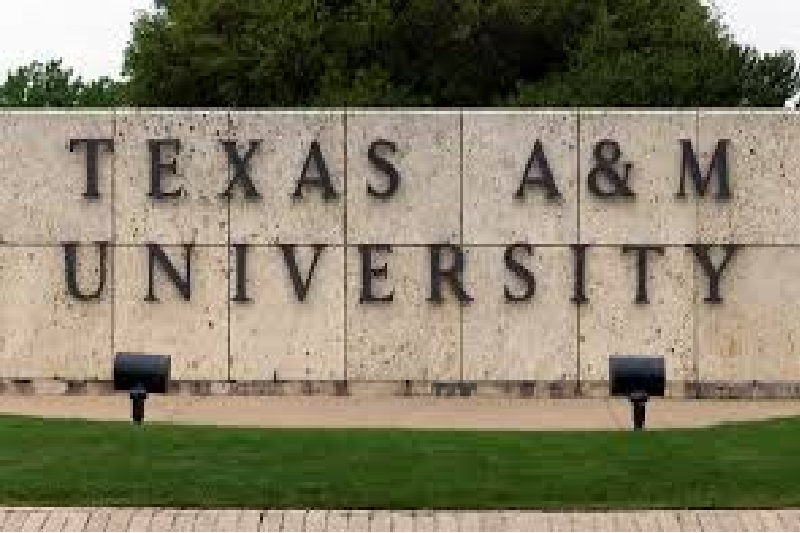
Texas A&M University is set to end its women’s and gender studies program and significantly alter hundreds of course syllabuses as part of a newly introduced policy regulating how professors discuss certain race and gender topics. The announcement, made on Friday by university officials, also included the cancellation of six classes. These measures are the latest step in the university’s efforts to comply with the policy approved last November by the Texas A&M University System regents.
The new policy affects all 12 schools within the Texas A&M University System, including its flagship campus in College Station. University officials stated that the goal is to enforce stronger oversight of course content while preserving academic standards.
Background: Viral Incident Sparks University Review
The recent decision follows months of scrutiny at Texas A&M, triggered by a widely circulated video of a student confronting an instructor over classroom lessons related to race and gender. The incident drew national attention and prompted the university to undertake a comprehensive review of its course offerings.
In total, Texas A&M reviewed 5,400 courses across the system to determine which syllabuses required adjustments under the new guidelines. The extensive review aimed to ensure that the curriculum aligns with the system’s updated standards on teaching sensitive topics.
Academic Oversight and Course Adjustments
University officials emphasized that the changes are intended to protect academic integrity. Interim President Tommy Williams stated in a news release, “Strong oversight and standards protect academic integrity and restore public trust, guaranteeing that a degree from Texas A&M means something to our students and the people who will hire them. That has been our focus through this process and will remain our focus as we move forward.”
While six classes have been canceled, the university assured students that these adjustments would not disrupt their progress toward graduation. Advisors have worked closely with students to ensure course cancellations do not prevent them from completing their degrees on schedule.
Women’s and Gender Studies Program Phased Out
One of the most notable outcomes of the policy is the elimination of Texas A&M’s women’s and gender studies program. The program, which had offered a dedicated pathway for students to explore topics related to gender equality, feminist theory, and social justice, will no longer be available as a major or minor.
The decision represents a major shift for the university, which has historically offered a wide range of courses exploring diverse social issues. Professors who previously taught women’s and gender studies classes will now see their syllabuses revised or integrated into broader courses under the new guidelines.
Controversy and Concerns Over Academic Freedom
The policy has sparked immediate criticism from faculty, students, and alumni who argue that it restricts educators’ ability to teach freely. Critics contend that limiting how instructors discuss race and gender topics could undermine academic freedom, a cornerstone of higher education. Some have also raised concerns that the policy may infringe on First Amendment rights.
On Thursday, just a day before the university’s announcement, hundreds of students, faculty, and alumni staged a protest on the College Station campus. Demonstrators voiced their opposition to the policy, highlighting worries that restricting classroom discussions on sensitive topics could stifle critical thinking and intellectual exploration.
Faculty members have expressed unease about the new oversight measures, suggesting that they may create an environment in which instructors feel constrained when discussing contemporary social issues. Advocates for academic freedom argue that open dialogue, even on controversial topics, is essential for preparing students to engage thoughtfully in society.
Administration Stresses Compliance and Integrity
Despite the backlash, university officials have emphasized that the changes are designed to maintain rigorous academic standards. The administration maintains that the review and subsequent adjustments were necessary to ensure that degrees from Texas A&M continue to hold credibility with employers and graduate schools.
Interim President Tommy Williams, who has been leading the university through the policy’s implementation, declined to provide media interviews on Friday. University communications highlighted that his focus remains on overseeing the transition and ensuring that students’ educational progress is not disrupted.
Broader Implications for Higher Education
Texas A&M’s decision to end its women’s and gender studies program reflects a growing debate nationwide over how race, gender, and social justice topics are addressed in higher education. Universities across the country are facing increased scrutiny from policymakers, alumni, and the public regarding the content of their curricula.
Supporters of the policy argue that careful oversight ensures courses remain objective and that students receive a balanced education. Opponents, however, warn that such measures risk sanitizing academic content and limiting critical discourse on historically and culturally significant issues.
The Texas A&M case highlights the tension between institutional oversight and academic freedom—a debate that is likely to continue as other universities evaluate how best to approach discussions on sensitive topics without compromising educational integrity.
Moving Forward
As Texas A&M implements these changes, the university has pledged to monitor the impact on both faculty and students closely. Advisors will continue to guide students through altered course schedules to ensure that graduation timelines remain unaffected. Faculty are expected to revise their syllabuses to comply with the new guidelines while continuing to deliver quality instruction.
While the women’s and gender studies program will no longer exist, courses covering race, gender, and social issues may still be offered in other formats, albeit under stricter oversight. The university has signaled its intent to maintain educational quality while adhering to the policy, balancing administrative oversight with the needs of students and faculty.
The controversy surrounding Texas A&M’s policy is far from over. Protests and discussions on academic freedom and curricular content are expected to continue, both on campus and in wider academic circles. For students and faculty invested in the study of gender and social issues, the policy marks a significant shift in the university’s approach to sensitive and complex topics.
In the coming months, the university’s approach to implementing the policy will serve as a test case for how large public institutions can navigate controversial topics in higher education while maintaining oversight, integrity, and compliance with system-wide regulations.