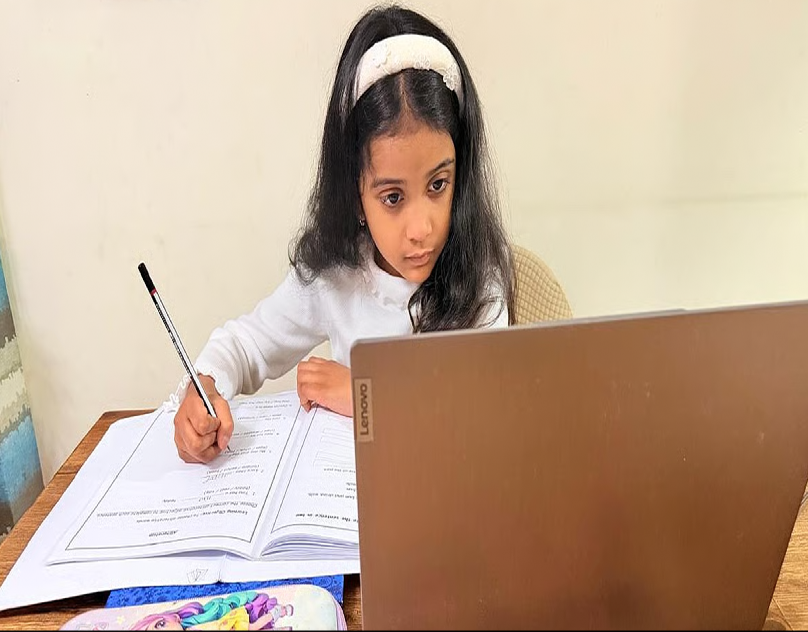
UAE Indian Schools Begin Academic Year Online Amid Regional Tensions
Schools Without Classrooms: How Geopolitics Is Reshaping the Academic Calendar in the UAE
The commencement of a new academic year is typically marked by anticipation, fresh beginnings, and the familiar rhythm of classrooms coming to life. However, for Indian curriculum schools across the United Arab Emirates (UAE), the 2026–27 academic session has unfolded under markedly different circumstances. Instead of bustling corridors and in-person interactions, students have begun their academic journey through screens, as institutions shifted to online learning amid escalating geopolitical tensions in the region.
A Disrupted Start to the Academic Year
The decision to begin the academic year virtually was not taken lightly. Indian schools across the UAE commenced their sessions online, prioritising safety over convention. The move reflects a broader precautionary approach adopted by authorities in response to heightened instability linked to ongoing conflicts involving major global powers in the Middle East.
While academic calendars are typically planned months in advance, unforeseen geopolitical developments have necessitated rapid adjustments. Schools that would ordinarily welcome students into physical classrooms have instead transitioned to digital platforms, ensuring that learning continues uninterrupted despite external uncertainties.
The Role of Geopolitical Tensions
At the heart of this shift lies a complex web of geopolitical tensions, particularly involving the United States, Israel, and Iran. The ripple effects of these developments have been felt across the Gulf region, prompting governments to adopt precautionary measures to safeguard residents, including students and educators.
In such a climate, education systems often serve as both a reflection of and a response to broader societal conditions. The move to online learning underscores how global events can influence local routines, even in sectors traditionally considered insulated from political volatility.
Government Directives and Safety Measures
The UAE Ministry of Education has played a pivotal role in shaping the response to the situation. Authorities extended distance learning across all educational institutions until at least mid-April, reinforcing the priority placed on safety and well-being.
This directive applies not only to Indian curriculum schools but to all public and private institutions across the country. By implementing a unified approach, the government has ensured consistency in policy and minimised confusion among stakeholders.
Such measures highlight the proactive stance taken by UAE authorities in addressing potential risks. Rather than reacting to incidents, the emphasis has been on prevention to ensure that students can continue their education in a secure environment.
Reimagining the First Weeks of School
The initial days of the academic year are crucial in setting the tone for the months ahead. Recognising this, schools have adapted their approach to suit the online format. Instead of diving immediately into rigorous academic content, institutions have focused on orientation, introductions and community-building activities.
Virtual assemblies, teacher introductions, and student leadership sessions have replaced traditional classroom interactions. These efforts are designed to help students feel connected and comfortable, even in a remote setting.
Educators have also emphasised emotional well-being during this transition. With students logging in from diverse environments and circumstances, schools are prioritising a supportive and inclusive atmosphere to ensure that no child feels isolated or overwhelmed.
The Digital Classroom Experience
The shift to online learning is not entirely unprecedented. The UAE’s education system had already developed a robust digital infrastructure during the Covid-19 pandemic, which has now been reactivated to meet current needs.
Schools are employing a blend of synchronous and asynchronous learning methods, combining live virtual classes with self-paced activities. This hybrid approach allows students to engage with content flexibly while maintaining a structured routine.
Teachers, too, have adapted to this model, leveraging digital tools, multimedia resources, and interactive platforms to enhance the learning experience. Continuous assessments, assignments, and feedback mechanisms ensure that academic standards are upheld despite the change in format.
Challenges for Students and Parents
While online learning offers continuity, it also presents a unique set of challenges. For younger students, particularly those in early grades, adapting to a virtual classroom can be difficult. The absence of physical interaction, combined with increased screen time, may affect engagement and concentration.
Parents, too, play a more active role in this environment, often assisting children with technology and ensuring adherence to schedules. This added responsibility can be demanding, especially for working families.
Moreover, the home environment may not always be conducive to learning. Distractions, limited space, and varying access to resources can impact the effectiveness of online education. Schools are therefore making concerted efforts to support families through clear communication, guidance and technical assistance.
Teacher Adaptation and Workload
Educators find themselves at the forefront of this transition, navigating the complexities of remote teaching while maintaining academic standards. Delivering engaging lessons in a virtual setting requires creativity, adaptability, and a deep understanding of digital tools.
Teachers must also manage increased workloads, balancing lesson planning, online instruction, and individual student support. The emotional aspect of teaching, often conveyed through face-to-face interaction, must now be translated into a digital format, requiring additional effort and sensitivity.
Despite these challenges, the teaching community has demonstrated resilience, embracing innovation and collaboration to ensure that students continue to receive quality education.
Continuity Amid Uncertainty
One of the most striking aspects of this development is the emphasis on continuity. Even as geopolitical tensions create uncertainty, the education system has adapted swiftly to maintain stability in students’ academic journeys.
This continuity is crucial not only for academic progress but also for providing a sense of normalcy. In times of uncertainty, structured routines and familiar activities can offer reassurance, helping students cope with external stressors.
The decision to prioritise online learning reflects a broader commitment to ensuring that education remains uninterrupted, regardless of external circumstances.
Broader Implications for Global Education
The situation in the UAE offers valuable insights into the evolving nature of education in a globalised world. It highlights the need for flexibility, resilience and preparedness in the face of unforeseen challenges.
Geopolitical developments, once considered distant from the classroom, are increasingly influencing educational policies and practices. Institutions must therefore be equipped to respond swiftly, leveraging technology and innovation to adapt to changing conditions.
This shift also underscores the importance of digital literacy for both students and educators. As online learning becomes an integral part of education, the ability to navigate digital platforms effectively is no longer optional but essential.
Looking Ahead
As the situation in the region continues to evolve, the future of in-person schooling in the UAE remains uncertain. Authorities are likely to assess conditions carefully before deciding when it is safe to resume physical classes.
In the meantime, schools will continue to refine their online learning strategies, addressing challenges and enhancing the overall experience. The lessons learned during this period may well shape the future of education, even after normalcy returns.
A New Academic Reality
The start of the 2026–27 academic year in UAE Indian schools serves as a poignant reminder of how interconnected the world has become. Events unfolding on the global stage can have immediate and profound effects on everyday life, including education.
Yet, amidst these challenges, the resilience of students, educators, and institutions stands out. By embracing change and prioritising safety, the education community has demonstrated its ability to adapt and persevere.
In redefining the classroom, these schools are not merely responding to a crisis; they are shaping a new academic reality, one that values flexibility, innovation, and, above all, the well-being of their learners.


