BHU’s Faculty of Arts Secures ₹8 Crore Erasmus+ Grant, the Largest International Award in the University’s History
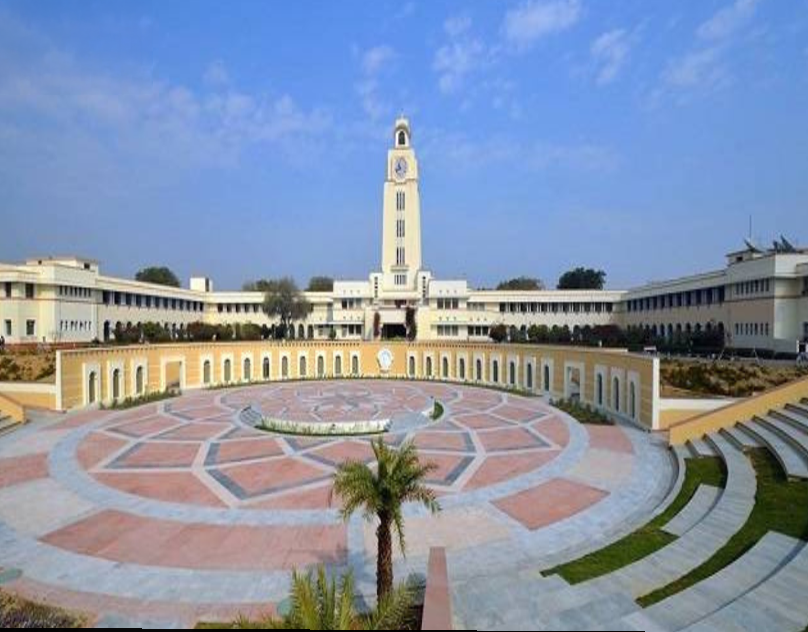
Banaras Hindu University (BHU) has reached a significant milestone in its international academic journey, as the Tourism Management section of its Faculty of Arts secured an Erasmus+ Capacity Building in Higher Education (CBHE) grant worth €780,000 (approximately ₹8 crore). This is not only the first Erasmus+ grant received by the Faculty of Arts but also the largest Erasmus funding awarded to BHU so far, marking a major step forward in the university’s global engagement and academic outreach.
Awarded by the European Union for a period of three years—from November 2025 to October 2028—the grant places BHU among a select group of higher education institutions worldwide entrusted with leading large-scale, multinational capacity-building initiatives. University officials described the achievement as a strong endorsement of BHU’s academic credibility and its growing focus on internationalisation and excellence in teaching and research.
A Global Project with a Local Anchor
The funded project, titled “SacredTravels4Growth: Higher Education and Sustainable Growth through Religious Tourism,” is being led by BHU and brings together 16 partner institutions from eight countries: Albania, India, Spain, Greece, Slovenia, Moldova, Malta, and South Africa. From India, Banaras Hindu University and Karnataka University are participating in the consortium.
The project is designed to strengthen higher education capacity in areas such as religious tourism, cultural heritage conservation, and sustainable regional development. By pooling academic expertise and best practices from European and partner countries, the initiative aims to develop innovative teaching approaches, research collaborations, and training models that link tourism with sustainability and cultural preservation.
Religious tourism holds particular relevance for India and for Varanasi, where BHU is located. As one of the world’s oldest living cities and a major spiritual destination, Varanasi provides a rich context for academic inquiry into pilgrimage, heritage management, and responsible tourism. The project leverages this context while situating it within a global framework of comparative learning and policy-oriented research.
Erasmus+: A Prestigious Framework
The Erasmus programme was originally launched in 1987 by the European Community and named after the 15th-century Dutch humanist Desiderius Erasmus of Rotterdam. In 2014, the European Union expanded and consolidated its education, training, youth, and sports initiatives under the Erasmus+ framework. Today, Erasmus+ supports student and staff mobility, vocational education, adult learning, youth exchanges, sports cooperation, and capacity-building projects such as CBHE.
Erasmus+ CBHE grants are highly competitive and are awarded to projects that demonstrate strong academic leadership, international collaboration, and long-term institutional impact. BHU’s success in securing such a grant reflects its ability to conceptualise a globally relevant project while aligning it with regional and national priorities.
Academic Leadership and Team Structure
At BHU, the project is led by Dr Pravin Rana, Project Lead from the Tourism Management section of the Faculty of Arts. The core academic team includes Dr Shyju PJ as Quality Assurance Head, Prof. Jyoti Rohilla as Senior Researcher in Art History, and Dr Priyanka Singh from the Rajiv Gandhi South Campus (RGSC), Barkachha, as Researcher.
Administrative and financial oversight will be handled by BHU’s Sponsored Research and Industrial Consultancy Cell (SRICC), ensuring compliance with EU guidelines and smooth coordination among international partners. This structured approach reflects the university’s growing institutional capacity to manage large, complex, and multi-country research and training projects.
Training, Mobility, and Knowledge Exchange
A key strength of the SacredTravels4Growth project lies in its emphasis on practical capacity building. Over the three-year period, the project will organise four international training workshops and multiple study visits across partner countries, including Albania, Moldova, South Africa, India (at BHU), Slovenia, Spain, Malta, and Greece.
These activities are expected to benefit faculty members, students, and other stakeholders by exposing them to diverse academic environments, policy frameworks, and tourism models. Participants will engage with heritage sites, academic institutions, and tourism bodies, gaining hands-on experience in sustainable tourism planning, cultural conservation, and curriculum development.
According to Dr Rana, the project will significantly enhance learning opportunities and help build long-term academic capacity, particularly in interdisciplinary areas that connect tourism studies with history, culture, and sustainability.
Expanding Global Academic Networks
Beyond training and mobility, the Erasmus+ grant is expected to substantially expand BHU’s global academic networks. Collaborative teaching modules, joint research initiatives, and shared academic resources will be developed among partner institutions. These efforts are likely to result in new curricula, comparative research publications, and policy-relevant outputs that extend well beyond the project’s duration.
University officials noted that such international collaborations strengthen BHU’s visibility and reputation on the global academic stage. They also contribute to creating a more internationally oriented learning environment for students and faculty members alike.
Leadership’s Response and Future Outlook
Vice-Chancellor Prof. Ajit Kumar Chaturvedi expressed satisfaction over the recognition received by the Faculty of Arts from the European Union, describing the grant as a proud moment for the university. The Registrar, on behalf of BHU, formally signed the project agreement with the EU, completing the institutional formalities required for project implementation.
Prof. Sushma Ghildyal, Dean of the Faculty of Arts, highlighted that the Erasmus+ project is part of a broader wave of international engagement at BHU. She noted that several upcoming international projects and memoranda of understanding are in the pipeline, which are expected to open new avenues for academic growth, research collaboration, and global partnerships.
A Milestone for BHU’s Internationalisation
The ₹8 crore Erasmus+ grant represents more than just financial support. It signals BHU’s emergence as a leading institution capable of shaping international academic discourse in areas of cultural and societal relevance. By focusing on religious tourism and sustainable growth, the university is aligning its traditional strengths with contemporary global challenges.
As the SacredTravels4Growth project moves into its implementation phase, it is poised to leave a lasting impact on curriculum development, faculty training, student exposure, and international cooperation. For BHU, the grant stands as a milestone achievement—one that reinforces its commitment to academic excellence, global engagement, and meaningful knowledge exchange.