Karnataka Struggles with 45,590 Teacher Vacancies as Government Schools Grapple with Staffing Crisis
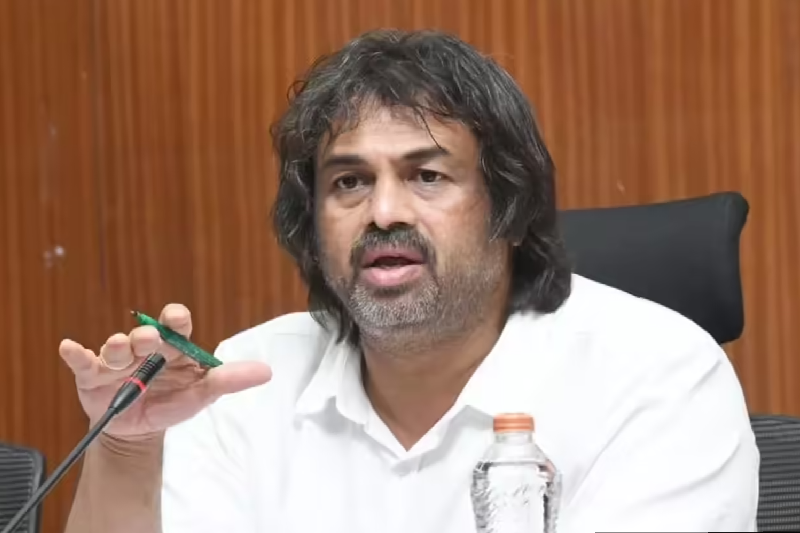
Karnataka is facing a critical shortage of teachers in its government-run schools, highlighting the ongoing challenges in providing quality education to students across the state. According to the latest data shared by the state’s School Education and Literacy Minister, Madhu Bangarappa, Karnataka currently has 45,590 vacancies in government primary schools alone. These vacancies exist against a total sanctioned strength of 1,78,935 teachers across 41,088 primary schools.
This shortfall underscores the growing struggle to maintain appropriate teacher-student ratios, which is vital for effective learning. Experts say such gaps not only place additional burden on existing teachers but also compromise the quality of education, especially in rural areas where finding replacements is particularly challenging.
High Schools Also Suffering from Teacher Deficits
The problem extends beyond primary education. Minister Bangarappa informed the Karnataka Assembly that government high schools in the state also face a significant shortage. Out of 44,144 sanctioned teaching positions for 5,024 high schools, only 32,010 posts have been filled, leaving a gap of 12,134 teachers. This shortfall is particularly concerning as high school teachers handle more specialized subjects, and their absence directly impacts students’ preparedness for higher education and competitive exams.
Temporary Measures: Guest Teachers Stepping In
To mitigate the immediate impact of these vacancies, the state has appointed a significant number of guest teachers. For the academic year 2025–2026, 40,000 guest teachers will work in primary schools and 11,000 in high schools, totaling 51,000 temporary appointments. These teachers are expected to begin instructing students from the next academic year, helping to ensure that learning continues uninterrupted despite the shortage of permanent staff.
In addition to these measures, special teachers have been appointed to support students with disabilities. These appointments are part of a broader effort to provide inclusive education and ensure that all children, regardless of their abilities, receive the guidance they need.
Filling the Gaps: Statistical Overview
Minister Bangarappa provided a detailed breakdown of teacher vacancies during his response to a query raised by BJP MLA Harish Poonja. Karnataka has 41,088 government primary schools with 1,78,935 sanctioned posts. Of these, 1,33,345 have been filled, leaving 45,590 positions vacant. In government high schools, out of 44,144 sanctioned posts, 32,010 positions are occupied while 12,134 remain unfilled.
This situation indicates that nearly one in four primary school posts and more than one in four high school posts are vacant. The implications for students are profound: larger class sizes, fewer opportunities for individualized attention, and potential gaps in subject-specific learning.
Guest Teachers’ Compensation and Challenges
The issue of teacher pay has also emerged as a concern. During the Assembly discussion, MLA Harish Poonja raised the point that guest lecturers were being paid significantly less than permanent staff. To address this, Minister Bangarappa announced an increase in their salaries by Rs 2,000. While this increment is a positive step, many educators argue that long-term solutions, including more permanent hires, are essential to stabilizing the workforce and attracting qualified professionals.
Nutrition Program Costs Rise Amid Funding Challenges
Education is not only about classroom learning but also about ensuring proper nutrition for students. Poonja highlighted that the cost of eggs and bananas provided to children under the government’s nutrition scheme has risen from Rs 5 to Rs 7.5 per egg. Despite the increase, the sanctioned amount provided by the state government has remained the same, putting pressure on school staff to provide these nutritious items daily.
Minister Bangarappa addressed the issue by noting that a renowned charitable organization has pledged Rs 1,591 crore to supply eggs to government school students. This collaboration aims to ensure that children continue receiving adequate nutrition without placing an undue financial burden on individual schools.
Health Concerns About Egg Consumption Addressed
During the discussion, Poonja also raised concerns about a potential cancer risk associated with egg consumption. Karnataka’s Health Minister, Dinesh Gundu Rao, clarified that there is no cause for panic. His statement came after tests revealed that only one out of 147 egg samples checked in 2024 had failed due to the use of banned antibiotics. The minister emphasized that the issue was limited to a single company, assuring parents and educators that egg consumption under the government program remains safe.
Long-Term Solutions Needed
While the appointment of guest teachers provides a short-term solution to the staffing crisis, experts emphasize the need for a long-term strategy. This includes recruiting more permanent teachers, providing competitive salaries, and enhancing professional development opportunities. Without these measures, Karnataka risks prolonged disruptions in student learning and widening educational inequalities, particularly in rural and underdeveloped regions.
Additionally, improving infrastructure, ensuring consistent nutrition programs, and maintaining a supportive environment for students with disabilities are crucial components of a comprehensive plan to strengthen the state’s education system.
The Way Forward
The Karnataka government’s proactive steps, including hiring guest teachers and securing funding for nutrition programs, reflect an urgent effort to address current gaps. However, systemic reforms remain essential to prevent recurring shortages and ensure equitable education for all students.
Teacher shortages in Karnataka are a reflection of a broader national challenge in maintaining quality education in government schools. With nearly one-quarter of teaching positions in primary and high schools unfilled, the state faces an uphill battle in providing students with consistent, high-quality learning experiences. The coming years will require concerted efforts from policymakers, educators, and communities to address these shortages and strengthen the foundation of Karnataka’s education system.
Conclusion
Karnataka’s 45,590 vacant teaching positions in primary schools and 12,134 in high schools present a significant challenge for the state’s education system. While temporary measures, such as guest teachers and charitable support for nutrition programs, offer short-term relief, comprehensive, long-term strategies are necessary to ensure that students receive consistent, high-quality education. Addressing teacher shortages, providing fair compensation, and supporting inclusive learning environments are critical steps toward building a stronger, more resilient education system in Karnataka.