Why UP Board Exam Centres and Student Numbers Have Dropped for 2026
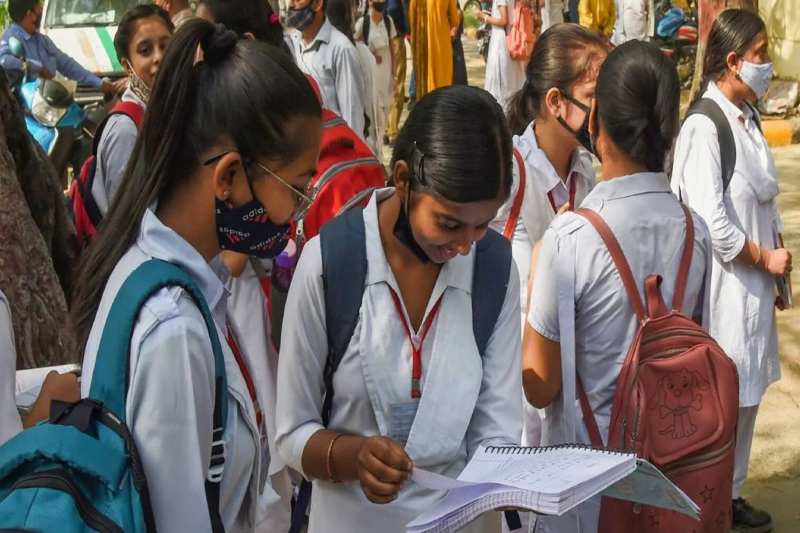
The Uttar Pradesh Board of Secondary Education (UPBSE) is preparing to conduct its 2026 high school and intermediate examinations between February 18 and March 12, but the exam ecosystem looks significantly different this year. Compared with the previous cycle, the Board has registered fewer candidates and consequently fewer examination centres, signaling a shift driven by student enrolment trends and the state’s tightening grip on examination integrity.
The state board, one of the largest exam-conducting bodies in the world, periodically adjusts its logistics based on candidate volumes, school infrastructure, and requirements for security. The 2026 arrangements reflect both demographic changes and administrative decisions that prioritise strict curbs on unfair means.
Sharp Reduction in Exam Centres for 2026
One of the most noticeable changes for the upcoming cycle is the reduction in the number of designated exam centres. Last year, 8,110 schools served as examination venues. For 2026, that number has dropped to 7,448, marking a contraction of 662 centres.
The decline is not merely administrative—it corresponds directly to the drop in student registrations. With fewer candidates to accommodate in each district, the Board’s recalibration aims to optimise logistics, enhance monitoring efficiency, and ensure tighter security across fewer sites.
However, the centre-reduction process has stirred considerable debate. The Board has received 8,707 objections against the proposed centres in the initial list. These objections include:
- 910 government schools
- 3,484 aided schools
- 2,354 unaided institutions
Many of these objections relate to issues such as schools being denied centre status despite adequate facilities, concerns over long travel distances for students, or questions regarding infrastructure adequacy at selected venues.
The Board has assured all stakeholders that every objection filed online will be thoroughly examined, and district officials have been instructed to complete the review by December 11. A revised list will be published by December 17, and the final list of exam centres will be released on December 30 after the District Centre Determination Committees—chaired by the respective District Magistrates—complete their assessments.
Total Candidate Numbers Drop to 5.23 Million
The 2026 cycle has registered 5,230,297 candidates across both high school and intermediate examinations. This includes:
- 2,750,945 high school students
- 2,479,352 intermediate students
While the high school numbers have seen milder fluctuations, the real concern is the sharp dip in Class 12 registrations. In 2025, the intermediate (Class 12) exam had 2,705,009 students. This year’s number—2,479,352—represents a significant drop of 225,657 candidates.
This decline has influenced nearly every administrative decision this year, especially around centre allocation. Fewer students naturally reduce the need for additional venues, allowing the Board to consolidate resources and improve monitoring.
What’s Causing the Decline in Student Numbers?
1. Stricter Anti-Cheating Measures
UP Board authorities have been intensifying anti-cheating efforts over the past several years. The state, once notorious for widespread exam malpractice, has introduced technological and administrative measures such as:
- CCTV monitoring
- Biometric attendance
- Deployment of special security squads
- Mandatory frisking
- Real-time monitoring from district control rooms
These efforts have significantly reduced cheating, but they have also produced an unintended consequence: students who previously relied on unfair means are choosing not to appear for the exams.
2. Fear of FIRs and Penal Action
In recent years, FIRs have been filed against students caught using unfair means, creating a climate of caution. The possibility of legal consequences has deterred some students from appearing for exams without adequate preparation, contributing to the decline in participation.
3. Reduced Enrolments in Intermediate Classes
The steep fall in Class 12 numbers reflects broader issues in schooling continuity. Several factors—including dropout rates after Class 10, shifting interest toward vocational programmes, and migration—appear to be influencing intermediate student volumes.
Objections and Centre Review Process Underway
Given the large number of objections received—8,707 in total—the Board has deployed a structured and time-bound review mechanism. Each objection is being evaluated by district committees to ensure that schools meeting infrastructure, safety, and accessibility criteria are treated fairly.
The process includes:
- Verification of school facilities
- Assessment of seating capacity
- Review of past compliance records
- Consultation with district-level education authorities
Following this multi-layered scrutiny, schools not selected initially may still be reinstated if they satisfy the required norms. Conversely, schools flagged for previous malpractice or inadequate arrangements may be removed even if initially proposed.
UP Board’s Emphasis on Exam Integrity
Despite criticism from some quarters, the UP Board remains firm on maintaining exam integrity as its top priority. Officials have reiterated that a cheating-free, transparent exam process is essential for restoring public trust and ensuring that genuine merit is recognised.
The Board believes that while strict measures may temporarily reduce candidate numbers, they ultimately enhance the credibility of the state’s education system. With the nationwide push for standardised assessments, skill-based learning, and better academic governance, Uttar Pradesh is aligning its processes with broader reforms.
What This Means for Students and Schools
The reduction in centres may mean longer travel distances for some students, though the Board aims to minimise disruptions by ensuring that schools with suitable infrastructure are included after objections are resolved. For schools, the final centre list will bring clarity on resource planning, teacher deployment, and security management.
Students can expect a tighter, more monitored exam environment in 2026. While this may add pressure, it also ensures fairness, reduces malpractice, and improves the value of UP Board certificates in higher education admissions.
Looking Ahead
As the UP Board moves through the final stages of centre determination and prepares for the February–March examination cycle, the focus remains on balancing efficiency, fairness, and logistical feasibility. Although both candidate and centre numbers have dipped, the Board sees this as a transitional phase—one that prioritises integrity over volume.
UP’s continued commitment to curbing cheating, streamlining exam logistics, and strengthening monitoring systems may ultimately reshape the state’s exam culture for the better.