The National Council of Educational Research and Training (NCERT) has issued a clarification following criticism surrounding its newly introduced NCERT Class 6 Kannada textbook. The controversy emerged after some education rights groups in Karnataka alleged that the textbook’s title, Krishna, and certain content within it reflected religious and dietary bias. In response, NCERT firmly rejected these claims, stating that the title refers to the Krishna River and not to any religious figure. The clarification has sparked widespread discussion across the education sector, with educators, policymakers, and parents debating the importance of cultural sensitivity and accurate interpretation of educational content. The development has also become a key topic in EducationTodayNews, highlighting the growing scrutiny surrounding school curriculum reforms in India.
The debate began after objections were raised over the title of the newly released Class 6 Kannada language textbook. Critics argued that naming the textbook Krishna could be interpreted as a religious reference and questioned whether it aligned with the secular principles expected of public education.
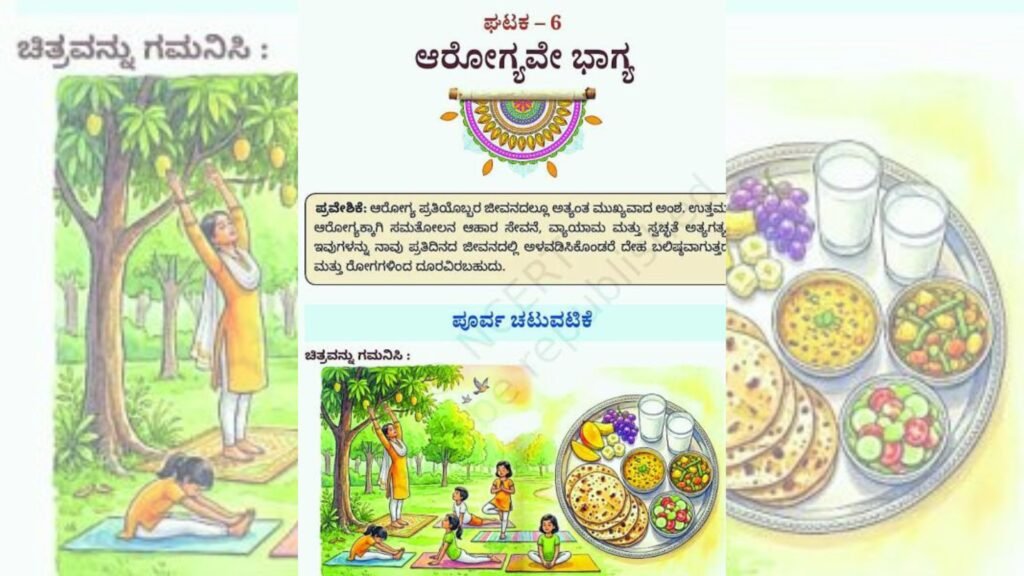
In addition, concerns were raised regarding a chapter discussing healthy eating habits. Some groups alleged that the content appeared to favour vegetarian diets while overlooking Karnataka’s diverse food traditions.
These concerns prompted NCERT to issue an official clarification addressing both issues and explaining the rationale behind the textbook’s design.
According to NCERT, the title Krishna follows the council’s established convention of naming language textbooks after Indian rivers rather than religious personalities. The organisation clarified that the Kannada textbook derives its name from the Krishna River, one of India’s major rivers that flows through Karnataka.
The council explained that other language textbooks have similarly been named after rivers to promote cultural rootedness and geographical awareness among learners. Therefore, the choice of the title is intended to reflect India’s natural heritage rather than convey any religious symbolism.
NCERT stated that interpreting the title as a religious reference is a misunderstanding of the naming convention adopted for its language textbooks.
Another major point of criticism involved a lesson on nutrition and healthy eating. Some critics claimed that the chapter promoted vegetarianism while excluding non-vegetarian food choices commonly followed in Karnataka.
NCERT rejected these allegations, stating that the textbook encourages balanced nutrition rather than promoting any specific dietary preference. The council pointed out that the lesson includes illustrations featuring both vegetarian and non-vegetarian food items to reflect India’s diverse food culture.
According to the clarification, the objective of the chapter is to educate students about healthy eating habits rather than advocate a particular lifestyle or dietary practice.
The council highlighted several important points while responding to the controversy:
- The title Krishna refers to the Krishna River and not to any religious figure.
- Language textbooks are named after Indian rivers as part of an established NCERT convention.
- The nutrition chapter promotes balanced diets for healthy living.
- Illustrations include both vegetarian and non-vegetarian food items.
- The textbook has been developed in accordance with the objectives of the National Education Policy (NEP) 2020 and the National Curriculum Framework for School Education (NCF-SE) 2023.
These clarifications aim to address misconceptions and reaffirm the educational intent behind the textbook.
Click below to watch the video.
Textbooks play an important role in shaping students’ understanding of society, culture, and national identity. Consequently, even seemingly minor aspects such as titles, illustrations, or examples often attract close public attention.
The recent controversy demonstrates how curriculum decisions can be interpreted differently by various stakeholders. While educational authorities may focus on pedagogical objectives, members of the public may view the same content through cultural, regional, or political perspectives.
This makes transparent communication essential whenever new educational materials are introduced.
As India’s apex body for school curriculum development, NCERT regularly updates textbooks to align with evolving educational priorities and policy frameworks.
The current Class 6 Kannada textbook has been developed under the recommendations of the National Education Policy 2020, which encourages contextual learning, cultural awareness, and competency-based education. According to NCERT, naming textbooks after rivers reflects the policy’s emphasis on connecting learners with India’s geographical and cultural heritage.
The organisation has maintained that its curriculum development process is guided by educational objectives rather than ideological considerations.
Curriculum reforms often generate healthy public discussion, particularly when they involve language, culture, or history. Constructive feedback from educators, parents, and academic experts can contribute to improving learning materials while ensuring they remain inclusive and relevant.
At the same time, official clarifications are equally important to prevent misunderstandings and ensure that educational content is interpreted within its intended context.
The NCERT’s prompt response reflects the need for educational institutions to engage transparently with public concerns while maintaining confidence in curriculum development processes.
The discussion surrounding the NCERT Class 6 Kannada textbook illustrates the increasing public interest in how educational content is designed and presented. While differing viewpoints are likely to continue, the council’s clarification provides important context regarding the textbook’s title, nutritional content, and educational objectives. As curriculum reforms continue across the country, maintaining transparency, inclusivity, and clear communication will remain essential. The latest clarification serves as a reminder that educational materials should be evaluated based on their stated objectives and overall learning outcomes. By encouraging informed dialogue between educational authorities and stakeholders, such discussions can ultimately contribute to stronger and more inclusive school education across India.