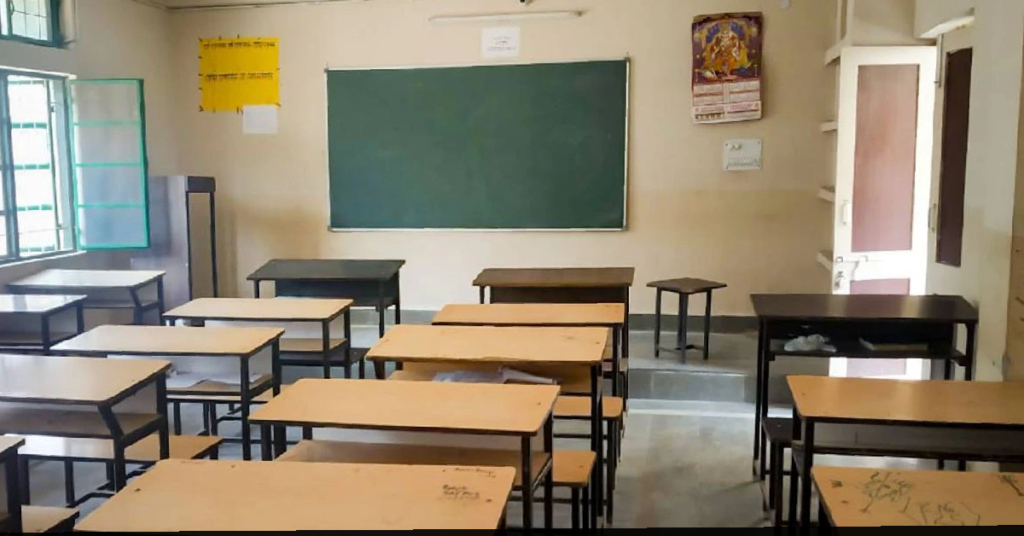

Student safety remains one of the most fundamental responsibilities of every educational institution. While academic excellence often takes centre stage, compliance with safety regulations is equally essential for creating a secure learning environment. A recent development in the national capital has once again highlighted the importance of infrastructure standards in schools. The Delhi Government has proposed taking over a private school in Vikaspuri after authorities found that 43 classrooms were functioning without the mandatory fire clearance, raising serious concerns about student safety and regulatory compliance. The move reflects a growing emphasis on ensuring that educational institutions adhere to prescribed safety norms while protecting the interests of students, parents and staff.
Why the Government Has Proposed a Takeover
According to the Delhi Government, inspections revealed that dozens of classrooms at the school were operating without the required fire safety approvals. Since educational institutions accommodate large numbers of children every day, compliance with fire safety regulations is considered a critical legal and operational requirement. The authorities have argued that the absence of mandatory clearances poses potential risks and warrants immediate intervention. As a result, the government has initiated steps proposing the takeover of the institution in the interest of student welfare and public safety.
What the Inspection Revealed
The inspection reportedly found significant concerns regarding the school’s infrastructure compliance.
Among the major observations were:
- 43 classrooms were functioning without mandatory fire clearance
- Authorities raised concerns over adherence to prescribed safety norms
- The government initiated proceedings proposing administrative intervention
- Student safety was cited as the primary reason behind the proposed action
- Regulatory compliance became the central focus of the investigation
The findings have once again underlined the importance of periodic inspections to ensure educational institutions continue meeting statutory safety requirements.
Why Fire Safety Matters in Schools
Schools are responsible for the well-being of hundreds or even thousands of students every day. Fire safety regulations are designed to minimise risks during emergencies by ensuring that buildings have adequate preventive measures and evacuation systems in place.
A comprehensive fire safety framework generally includes:
- Approved building layouts
- Functional fire detection systems
- Clearly marked emergency exits
- Fire extinguishers and suppression equipment
- Regular evacuation drills
- Compliance certification from competent authorities
Without these safeguards, emergencies can become significantly more difficult to manage, placing students, teachers and support staff at greater risk.
Balancing Education and Safety
Educational institutions are expected to maintain high standards not only in teaching but also in infrastructure management. Safe classrooms, structurally compliant buildings and emergency preparedness contribute directly to an effective learning environment.
Parents increasingly evaluate schools on parameters extending beyond academic performance, including campus security, disaster preparedness and adherence to statutory regulations.
The proposed government action therefore serves as a reminder that institutional accountability extends beyond curriculum delivery to encompass every aspect of student welfare.
It is developments such as these that continue to shape conversations around school governance, an area closely followed by EducationToday as educators and policymakers work towards creating safer learning environments.
The Importance of Regulatory Compliance
Educational institutions operate within a framework of legal and administrative regulations intended to protect students and maintain public confidence.
Regular compliance with fire safety requirements offers several benefits:
- Reduces the likelihood of preventable emergencies
- Strengthens institutional accountability
- Protects students, teachers and school employees
- Enhances parental confidence
- Supports uninterrupted academic functioning
Timely inspections and corrective action also encourage schools to continually review their infrastructure rather than treating compliance as a one-time requirement.
Impact on Parents and Students
Whenever regulatory action is initiated against a school, parents naturally become concerned about continuity of education and the safety of their children.
Although administrative proceedings can create temporary uncertainty, they also reinforce the principle that student welfare takes precedence over operational convenience. Ensuring that schools meet prescribed standards ultimately benefits students by providing a safer educational environment.
Authorities are expected to balance regulatory enforcement with measures that minimise disruption to academic activities wherever possible.
Click below to watch the video.
A Broader Message for Educational Institutions
The Vikaspuri case sends a clear message to schools across the country regarding the importance of maintaining infrastructure compliance at all times.
Educational institutions should regularly review:
- Fire safety certifications
- Building approvals
- Emergency preparedness plans
- Staff training for emergency response
- Maintenance of fire safety equipment
Proactive compliance not only satisfies regulatory requirements but also strengthens trust among parents and the wider community.
With increasing emphasis on school quality, safety standards are becoming as significant as academic achievements in defining institutional excellence.
Building Safer Learning Spaces
The Delhi Government’s proposal to take over the Vikaspuri school highlights the growing importance of safety compliance within India’s education system. While the outcome of the administrative process will unfold through the appropriate legal and regulatory channels, the incident serves as a powerful reminder that educational institutions must prioritise infrastructure safety alongside academic excellence. For school administrators, the development reinforces the need for continuous compliance with statutory norms. For parents, it underscores the importance of being aware of the safety standards maintained by their children’s schools. Ultimately, creating secure campuses requires sustained cooperation between educational institutions, regulatory authorities and the wider community, ensuring that every classroom remains a place where students can learn with confidence and security.
The government initiated takeover proceedings after an inspection found serious fire safety and other alleged regulatory violations.
The inspection found 43 classrooms operating without fire safety clearance. The school reportedly had clearance for 39 rooms but was operating 82.
The inspection reportedly flagged unauthorised construction, including a 30-room tin shed, an illegal basement and an unauthorised third floor, among other issues.
Not yet. The Directorate of Education has issued a seven-day show-cause notice. Takeover action may follow if the school’s response is considered unsatisfactory.
The government has proposed taking over management under Section 20 of the Delhi School Education Act, 1973 and has also sought an explanation regarding possible cancellation of the school’s land lease.