Table of Contents
Education today extends far beyond textbooks and examinations. Schools are increasingly expected to prepare students for the realities of modern life by nurturing their physical, emotional and social well-being alongside academic excellence. With growing concerns surrounding substance abuse among young people, educational institutions have an important role to play in promoting awareness, encouraging responsible decision-making and fostering safe learning environments. Recognising this evolving responsibility, the Maharashtra Government has announced plans to introduce drug de-addiction lessons into the school curriculum. The initiative forms part of a broader strategy aimed at strengthening student welfare, enhancing school safety and creating a more holistic education system. Alongside curriculum reforms, the state has unveiled several measures focused on counselling, teacher development, digital learning and academic excellence, reflecting its commitment to preparing students for a healthier and more secure future.
Promoting Awareness Through Preventive Education
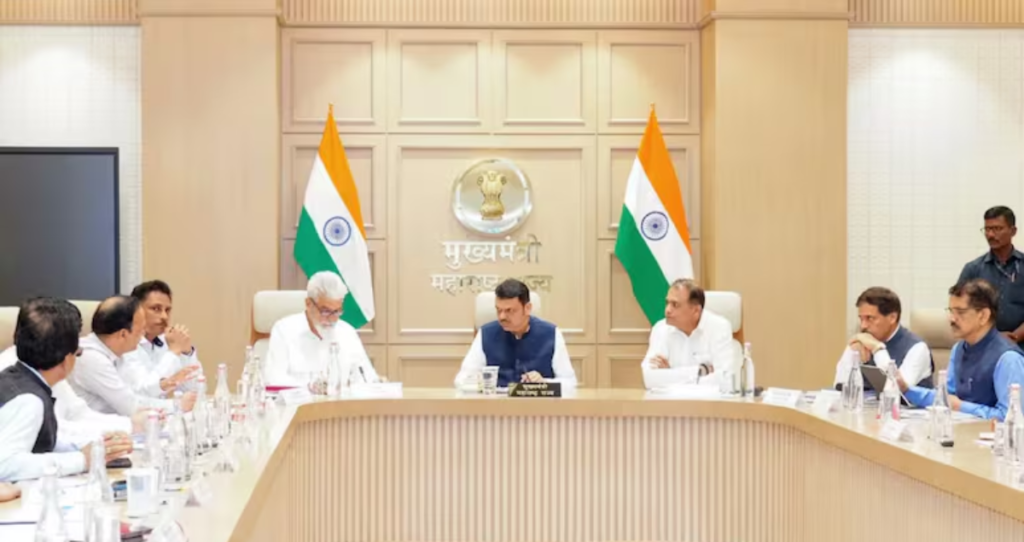
The decision to incorporate drug de-addiction lessons was announced by Maharashtra Chief Minister Devendra Fadnavis during a review meeting of the School Education Department. He directed officials to initiate the process of integrating preventive education into the curriculum as part of the state’s efforts to create student-centric schools.
Rather than addressing substance abuse only after it becomes a concern, the government aims to educate students about its harmful effects from an early stage. Preventive education equips young learners with the knowledge and confidence to make informed decisions, resist peer pressure and adopt healthier lifestyles.
The initiative also reflects the understanding that schools are among the most effective spaces for creating long-term behavioural awareness. As EducationToday has consistently observed across evolving education policies, schools that prioritise student well-being alongside academic achievement are better equipped to prepare learners for the challenges of the modern world.
The Drug-Free School Campaign
To complement the curriculum changes, the state government has announced the launch of a Drug-Free School campaign across Maharashtra. Schools will also establish anti-drug guidance and counselling committees to provide continuous support to students.
The campaign will focus on several important areas:
- Creating awareness about substance abuse
- Providing counselling and emotional support to students
- Strengthening school safety measures
- Preventing cyber fraud through educational initiatives
- Encouraging a healthy and positive school culture
By combining classroom learning with counselling and awareness programmes, schools can create an environment where students feel informed, supported and protected.
A Student-Centric Vision for School Education
During the review meeting, the Chief Minister reiterated the importance of building an education system that balances academic quality with character development, cultural awareness and modern educational infrastructure.
The proposed reforms go beyond curriculum enhancement. They seek to develop schools that encourage responsible citizenship while providing students with opportunities to excel academically and personally.
This vision aligns with the changing expectations from educational institutions, where success is increasingly measured not only through examination results but also through the overall development of learners.
Maharashtra’s Strong Educational Performance
Maharashtra continues to maintain its position as one of India’s leading states in school education. The state has retained the second position in the national Performance Grading Index (PGI) 2.0, highlighting its consistent efforts to improve educational quality and governance.
The Chief Minister encouraged the School Education Department to implement innovative practices across government schools and PM SHRI institutions to further strengthen learning outcomes.
The scale of Maharashtra’s education system further highlights the significance of these reforms.
Some notable figures include:
- More than 1,08,065 schools across the state
- Over 2.20 crore students enrolled
- A student-teacher ratio of 28:1
- Nearly 35 lakh students benefiting under the Right to Education (RTE) Act
These statistics underline the importance of implementing policies that positively influence millions of learners across diverse educational settings.
Preserving Language and Cultural Heritage
Alongside improving student welfare, Maharashtra continues to place strong emphasis on preserving its linguistic and cultural identity.
Officials informed the review meeting that Marathi has been made a compulsory subject in schools affiliated with SSC, CBSE, ICSE and International Baccalaureate (IB) boards across the state. Marathi examinations have also become mandatory, reinforcing efforts to promote the language among younger generations.
The Chief Minister also highlighted the expanded inclusion of the life and legacy of Chhatrapati Shivaji Maharaj in NCERT textbooks. He suggested that schools should further strengthen the study of the Maratha ruler’s contributions so students develop a deeper appreciation of India’s historical and cultural heritage.
These initiatives reflect an education system that seeks to balance global perspectives with regional values and traditions.
Click below to watch the video.
Technology and Innovation Driving Educational Reform
The review meeting also highlighted several technology-driven initiatives that are reshaping school education across Maharashtra.
These include Aadhaar authentication for school students, implementation of the National Education Policy (NEP) 2020, the Pavitra teacher recruitment portal and AI-powered online teacher training programmes.
Officials also reviewed initiatives such as the Nipun Maharashtra Mission, Rashtriya Pratham campaign, the “Majhi Shala Sundar Shala” programme, statewide enrolment drives, CSR partnerships and school adoption schemes.
Together, these efforts aim to improve teaching quality, strengthen school infrastructure and ensure that students receive a modern and engaging learning experience.
Supporting Rural Talent Through the Super 100 Scheme
The government also reviewed progress under the Super 100 scheme, designed to provide high-quality coaching for competitive examinations to talented students from rural Maharashtra.
Under this initiative, 100 meritorious students from every district receive specialised coaching for examinations such as NEET and JEE. The programme seeks to bridge educational disparities by ensuring that capable students from rural communities have access to quality academic guidance and competitive examination preparation.
By investing in merit-based initiatives, Maharashtra is creating greater opportunities for students to pursue careers in engineering, medicine and other professional fields.
Towards Safer and Healthier Schools
Maharashtra’s decision to introduce drug de-addiction lessons into the school curriculum represents a progressive step towards building schools that prioritise both academic excellence and student welfare. When combined with counselling services, technological innovation, language preservation and merit-based support programmes, the initiative demonstrates a comprehensive approach to educational reform. As schools continue to respond to emerging social and educational challenges, policies that promote awareness, resilience and responsible decision-making will play an increasingly important role. By investing in preventive education and holistic development, Maharashtra is laying the foundation for safer learning environments where students can thrive academically while developing the life skills needed to become informed, confident and responsible citizens.
The initiative aims to educate students about the risks of substance abuse, encourage healthy choices and strengthen prevention efforts in schools.
Lessons are expected to cover the harmful effects of substance use, prevention, awareness, responsible decision-making and ways to seek appropriate support.
Early education can help students understand the consequences of substance abuse and develop skills to resist peer pressure and make healthier decisions.
Implementation may involve schools, teachers and relevant education or government authorities, depending on the programme’s prescribed guidelines.
Schools can combine awareness education with counselling, supportive teacher-student relationships, parental involvement and clear policies against substance use.