
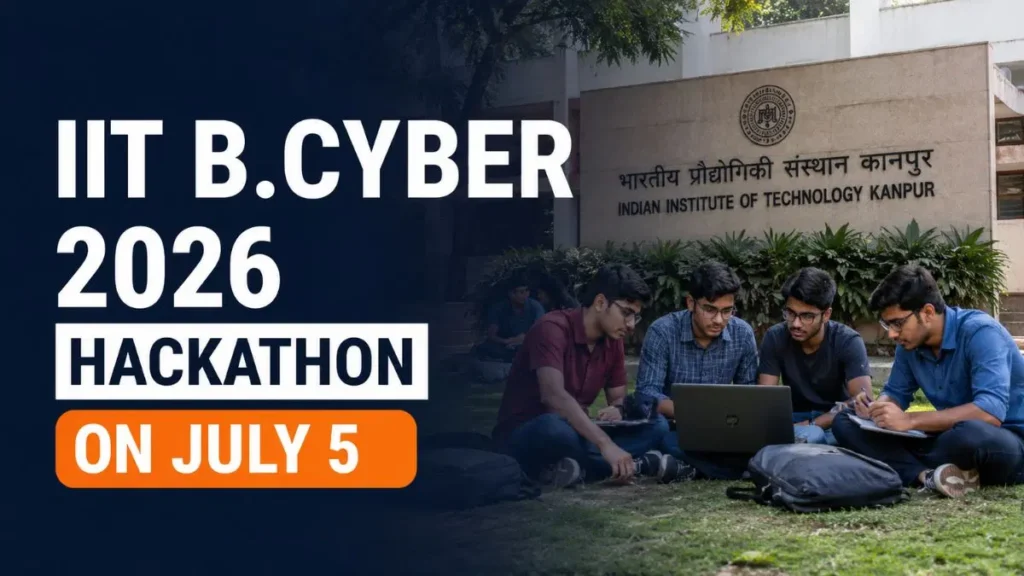
As cyber threats continue to evolve in scale and sophistication, the demand for skilled cybersecurity professionals has never been greater. Recognising this need, the Indian Institute of Technology (IIT) Madras and the Indian Institute of Technology (IIT) Kanpur have jointly introduced an innovative Bachelor of Cybersecurity programme that combines academic learning with two years of structured field deployment. The initiative is designed to equip students with practical expertise while preparing them for careers in one of the fastest-growing sectors of the global economy. Unlike conventional undergraduate courses, this programme places equal emphasis on classroom instruction and real-world application. By integrating extensive field experience into the curriculum, the institutions aim to bridge the gap between academic knowledge and industry requirements. The launch marks an important step in strengthening India’s cybersecurity talent pool and promoting experiential learning in higher education.
The newly launched Bachelor of Cybersecurity programme has been developed to provide students with a strong academic foundation while exposing them to practical cybersecurity operations. Instead of relying solely on lectures and laboratory sessions, the course incorporates a two-year field deployment that allows students to gain first-hand experience in professional environments.
This innovative structure reflects the growing recognition that cybersecurity professionals require more than theoretical knowledge. They must also understand how security systems function in real organisations, how cyber incidents are managed and how emerging threats are addressed.
The programme therefore seeks to produce graduates who are ready to contribute effectively from the beginning of their careers.
The rapid expansion of digital technologies has transformed sectors such as banking, healthcare, education, manufacturing and public administration. However, increasing digital dependence has also heightened the risk of cyberattacks, data breaches and online fraud.
Organisations now require professionals who can:
- Protect digital infrastructure
- Detect cyber threats
- Secure sensitive information
- Respond to security incidents
- Develop resilient cyber defence systems
As governments and businesses continue to strengthen their digital ecosystems, specialised cybersecurity education has become increasingly important for meeting workforce demands.
The programme introduces several distinctive features that differentiate it from traditional undergraduate courses.
Some of the major highlights include:
- Practice-oriented curriculum
- Two years of structured field deployment
- Focus on real-world cybersecurity challenges
- Collaboration between IIT Madras and IIT Kanpur
- Industry-relevant practical training
- Development of technical and analytical skills
This combination of academic learning and workplace exposure aims to improve both student learning outcomes and long-term employability.
One of the persistent challenges in technical education has been aligning university curricula with industry expectations. Employers increasingly seek graduates who possess practical experience alongside academic qualifications.
The IIT cyber security programme addresses this issue by embedding workplace learning into the undergraduate degree. Students will gain exposure to operational cybersecurity environments where they can observe security practices, understand organisational workflows and apply their classroom learning to real situations.
Such practical engagement helps students develop confidence while enhancing their readiness for professional responsibilities after graduation.
The programme has been designed to build a broad range of competencies required in modern cybersecurity roles.
Students are expected to develop expertise in areas including:
- Information security
- Network protection
- Ethical hacking concepts
- Cyber risk assessment
- Digital forensics
- Secure software practices
- Incident response
- Security governance
Beyond technical abilities, the programme also aims to strengthen communication, teamwork, critical thinking and problem-solving skills through project-based learning and field deployment.
The growing importance of cybersecurity has created strong demand across both public and private sectors. Graduates of the Bachelor of Cybersecurity programme can explore careers in industries ranging from finance and healthcare to information technology and government.
Potential career opportunities include:
- Cybersecurity Analyst
- Security Consultant
- Network Security Engineer
- Digital Forensics Specialist
- Information Security Officer
- Risk Analyst
- Incident Response Professional
- Security Operations Centre (SOC) Analyst
As organisations continue investing in cyber resilience, qualified professionals are expected to remain highly sought after.
The two-year field deployment is one of the programme’s defining features. It provides students with valuable opportunities to work alongside experienced professionals and understand cybersecurity challenges in real operational settings.
Some key benefits include:
- Practical exposure before graduation
- Improved technical confidence
- Better understanding of workplace expectations
- Stronger professional networks
- Enhanced employability
This hands-on approach ensures that graduates possess both academic knowledge and practical expertise, making them better prepared for today’s rapidly evolving cybersecurity landscape.
The collaboration between IIT Madras and IIT Kanpur reflects a broader shift towards industry-integrated education in India. Higher education institutions are increasingly recognising that experiential learning plays a crucial role in preparing graduates for complex professional environments. By combining rigorous academics with structured workplace experience, the programme demonstrates how universities can respond effectively to changing industry needs. It may also encourage other institutions to introduce similar practice-oriented models across emerging disciplines.
The launch of the Bachelor of Cybersecurity by IIT Madras and IIT Kanpur represents a significant development in India’s higher education landscape. Through its innovative structure, the IIT cyber security programme combines academic excellence with extensive field deployment, enabling students to gain both theoretical knowledge and practical expertise before entering the workforce. According to EducationTodayNews and TopEducationNews, this initiative reflects the growing importance of industry-oriented education in preparing graduates for technology-driven careers. As cybersecurity continues to become a strategic priority for governments, businesses and institutions worldwide, programmes that blend classroom learning with real-world experience are likely to play a vital role in developing the skilled professionals needed to safeguard the digital future.