Chhattisgarh Teacher Recruitment 2026: A Strategic Drive to Strengthen Public Education
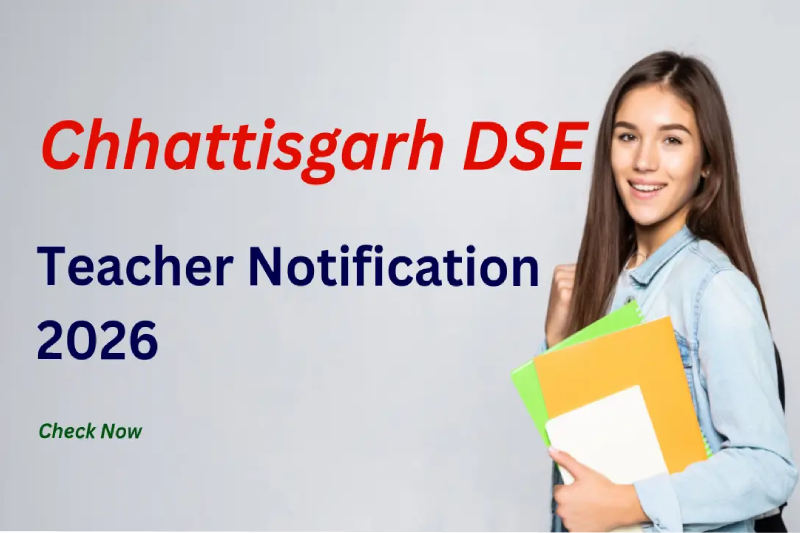
In a decisive initiative that marries educational reform with employment creation, the Government of Chhattisgarh has announced its intention to fill 5,000 teaching vacancies across government schools, a move aimed at both addressing chronic staff shortages and offering secure livelihood opportunities for young aspirants. The recruitment drive, which is expected to commence formally in February 2026, has been entrusted to the Chhattisgarh Professional Examination Board (CG Vyapam), underscoring the state’s commitment to a transparent and merit-based selection process.
In a context where high-quality education has become indispensable for social and economic progress, this recruitment exercise resonates far beyond the mere filling of vacancies. It embodies a strategic investment in the state’s human capital, bolstering classroom delivery, revitalising pedagogy and ensuring that every classroom is led by capable, qualified and motivated professionals.
The Rationale Behind the Recruitment Drive
Chhattisgarh, like many other states in India, has grappled with teacher shortages in its public education system. Vacancies have persisted at multiple levels, from primary to higher classes, affecting the regularity and quality of classroom instruction. Educationists and policymakers alike agree that the presence of well-trained teachers is essential not merely for covering syllabi, but for nurturing critical thinking, curiosity and life skills among students.
Against this backdrop, the decision to recruit thousands of teachers assumes great significance. It is both a response to a practical need within the school system and a broader assertion that education remains a central pillar of public policy. In recent months, the state’s Chief Minister directed senior officials to expedite the recruitment process, emphasising the imperative to address the shortfall in teaching staff across districts.
Indeed, previous teacher hiring drives, including the Teacher Direct Recruitment 2023, faced challenges, including legal and administrative hurdles related to qualification criteria. In some cases, the services of candidates appointed earlier were affected by judicial orders, leading to uncertainty around staffing levels. It is expected that the 2026 recruitment will help stabilise the workforce and ensure continuity in classroom teaching, thereby reducing disruptions to student learning.
Inviting Aspirants from Diverse Academic Backgrounds
One of the striking features of this recruitment drive is its wide-ranging scope. The vacancies to be filled include posts such as lecturer, teacher, assistant teacher and assistant teacher (science laboratory), encompassing both academic and practical educational roles.
This diversified approach reflects an important recognition: schools need more than just subject experts. They also require educators who can foster scientific inquiry, oversee practical sessions, assist in laboratories and contribute to overall student engagement. In particular, the inclusion of laboratory-related posts underscores the growing emphasis on experiential learning, a pedagogical shift that aligns with global best practices in education.
By inviting applications from individuals with varying qualifications, the recruitment campaign expands the talent pool and offers candidates with different educational backgrounds a fair chance to participate. This mix not only enhances opportunities for aspirants but also encourages the creation of multidisciplinary teams within schools that can cater to the holistic development of students.
CG Vyapam: Ensuring a Structured and Credible Selection
The decision to assign the recruitment examination to CG Vyapam is significant, as the board is the state’s established agency for conducting competitive tests and selection procedures in an impartial manner. The Vyapam model is designed to manage the entire process from application receipt and examination conduct to evaluation and result declaration.
In recent years, recruitment boards across India have been called upon to ensure not just meritocracy but also procedural integrity. In Chhattisgarh, CG Vyapam has amassed institutional experience in administering large-scale examinations, which provides a strong foundation for this teacher recruitment. Its involvement is expected to lend credibility and structure to the exercise, and to reduce the likelihood of procedural irregularities or allegations of arbitrariness.
While detailed information on eligibility criteria, syllabus and exam pattern will be unveiled alongside the official notification, aspirants and observers anticipate that the process will be rigorous and fair. Candidates can expect a written examination that tests subject knowledge, pedagogical understanding and the ability to communicate educational concepts effectively.
Timeline and Stakes for Job Seekers
Although the official advertisement has not yet been released at the time of writing, the preparation of formalities and submission of requisite documents to Vyapam are already complete, according to education department sources. The state administration is poised to issue the notification imminently, thus setting the application process in motion.
The forthcoming recruitment is likely to attract widespread interest from recent graduates, diploma holders and experienced aspirants alike. In a region where stable government employment is highly valued, the prospect of securing a teaching post represents not just a livelihood opportunity but also a chance to contribute meaningfully to the community. For many young professionals, this recruitment drive could mark a turning point in both career and social standing.
Given the anticipated scale of the exercise and the number of applicants expected to compete for a limited number of posts, preparation will be key. Aspiring candidates are advised to remain informed about the official notification, eligibility requirements and examination dates, all of which will play a crucial role in shaping their participation.
Broader Implications for Education in Chhattisgarh
Beyond immediate employment generation, the teacher recruitment initiative has the potential to yield deeper, long-term benefits for the state’s education system.
First, the infusion of fresh teaching talent can help reduce student-teacher ratios, which is an important factor in improving classroom engagement and personalized instruction. Lower ratios allow educators to devote more attention to individual learners, address learning gaps effectively and nurture critical thinking, all of which contribute to better academic outcomes.
Second, by incorporating roles such as science laboratory teachers, the government acknowledges the importance of activity-based learning. Schools that are well-staffed with laboratory qualified personnel are better equipped to offer practical sessions that enliven core subjects, especially sciences. This emphasis on practical learning is crucial in an era where rote memorisation no longer suffices and where students must be encouraged to experiment, question and innovate.
Third, the recruitment drive signals a renewed focus on educational infrastructure at the grassroots. Government schools are often the primary access point to education for marginalised populations. By enhancing staffing levels, the state reinforces its commitment to equalising opportunities and delivering quality education across socio-economic segments.
Challenges and the Path Forward
While the recruitment announcement is a positive development, its successful implementation will depend on several factors.
Timeliness and clarity in issuing the official notification will be essential to ensure that aspirants have adequate time to prepare and apply. Clear communication regarding eligibility, application procedures and examination formats will also be critical in promoting inclusivity, particularly for candidates from rural or under-resourced backgrounds.
Furthermore, the subsequent phases of the selection process including exam administration, result declaration and final appointment must be carried out with transparency and accountability. Lessons from past recruitments and examination administration challenges underscore the importance of maintaining high procedural standards and robust mechanisms for grievance redressal.
It will also be important for the state to consider capacity building and professional development for newly recruited teachers. Recruitment is only the first step; sustained investment in training, mentorship and continuing education will be crucial in ensuring that new teachers can deliver classroom excellence and remain attuned to modern pedagogical practices.
Conclusion: Opportunity Meets Responsibility
The 2026 teacher recruitment drive in Chhattisgarh represents a watershed moment for both aspirants and the education system at large. By committing to fill 5,000 vacancies and tasking CG Vyapam with conducting the examination, the state has signalled its intent to strengthen the bedrock of public education and to reinforce the dignity of the teaching profession.
For thousands of young Indians poised at the threshold of their careers, this initiative offers the promise of meaningful work, financial stability and a chance to serve society. For communities across the state, it offers renewed hope that classrooms will be led by qualified, motivated and enthusiastic educators. And for the education system itself, it provides a doorway toward improved learning environments, enriched pedagogy and a more robust future for learners of all ages.
As the recruitment process unfolds in the weeks ahead, all eyes will be on its execution, its fairness and its capacity to transform aspiration into reality and by doing so, reaffirm the enduring value of quality education as a foundational pillar of national progress.