Advancing Industrial Innovation: IIT Bombay and Columbia University Collaborate on AI for Manufacturing
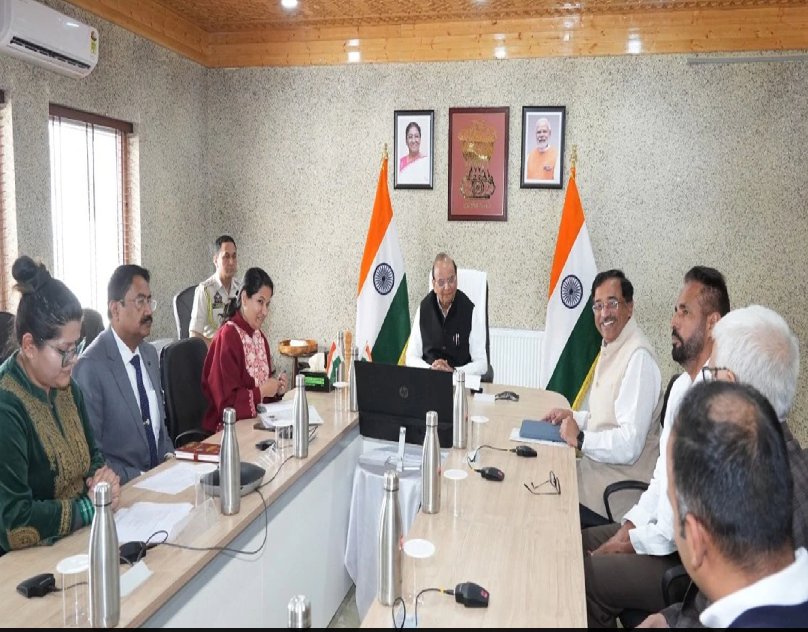
The convergence of artificial intelligence and industrial manufacturing is rapidly redefining global production ecosystems. Against this backdrop, a significant academic partnership has emerged with the establishment of the Columbia–IIT Bombay Center of AI for Manufacturing. This joint initiative reflects growing recognition that future industrial competitiveness will depend not merely on mechanisation, but on intelligent, adaptive and human-centric technological systems capable of addressing real-world manufacturing complexities. The collaboration, announced in the presence of Union Education Minister Dharmendra Pradhan, aligns with broader national efforts led by the Ministry of Education to strengthen artificial intelligence research, innovation and industry integration across India.
AI and the Transformation of Manufacturing
Manufacturing has entered an era defined by data-driven decision-making, automation and predictive intelligence. Traditional production systems, often reliant on manual supervision and fragmented data, are increasingly being augmented by AI-enabled tools that enhance efficiency, reduce waste and improve operational resilience.
Artificial intelligence allows manufacturers to:
- Predict equipment failures before they occur
- Optimise supply chains dynamically
- Improve product quality through real-time analytics
- Enhance worker safety using intelligent monitoring systems
- Reduce environmental impact via efficient resource utilisation
Such capabilities are particularly relevant for emerging economies seeking to expand industrial output while maintaining sustainability and competitiveness.
The Rationale Behind the Partnership
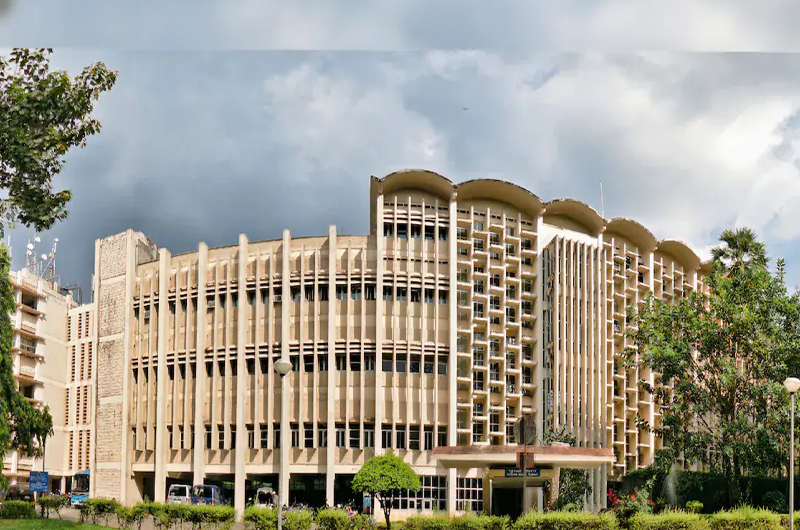
The collaboration between IIT Bombay and Columbia University brings together complementary strengths. IIT Bombay has long been recognised for its engineering expertise, industrial partnerships and applied research focus, while Columbia University contributes extensive experience in foundational AI research, optimisation techniques and interdisciplinary innovation. By combining these capabilities, the new centre aims to bridge the gap between theoretical AI research and practical industrial deployment. This translational focus is especially critical because many AI innovations remain confined to laboratories rather than reaching shop floors where they can deliver tangible economic impact.
Strengthening India’s Industrial Ecosystem
India’s manufacturing sector is undergoing rapid transformation driven by digitalisation, global supply chain realignments and domestic policy initiatives encouraging technological self-reliance. The establishment of this AI centre is expected to support industry modernisation by enabling scalable technological solutions that can be adopted by enterprises of varying sizes. One particularly significant aspect of the initiative is its emphasis on supporting micro, small and medium enterprises (MSMEs). These businesses form the backbone of India’s manufacturing landscape but often lack access to advanced technological infrastructure. AI-driven tools developed through the centre could democratise access to sophisticated analytics, enabling smaller firms to compete more effectively in both domestic and international markets.
Focus Areas Across Key Industries
The centre will address a wide spectrum of manufacturing domains, reflecting the breadth of contemporary industrial needs. Key sectors expected to benefit include:
- Semiconductor manufacturing and advanced electronics
- Robotics and automated production systems
- Pharmaceutical and healthcare manufacturing
- Food processing and agri-based industries
- Petrochemicals and refining
- Infrastructure and construction technologies
- Transport and logistics optimisation
By targeting multiple sectors simultaneously, the initiative seeks to create cross-industry AI frameworks adaptable to diverse operational contexts.
Human-Centric Artificial Intelligence
A notable emphasis of the collaboration is the development of human-centric AI systems. While automation is often associated with workforce displacement, modern AI strategies increasingly prioritise augmentation rather than replacement.
Human-centric AI focuses on:
- Supporting worker decision-making rather than eliminating roles
- Enhancing safety through intelligent monitoring
- Providing multilingual interfaces suitable for diverse workforces
- Ensuring transparency and ethical use of data
This approach recognises that technological adoption is most effective when it complements human expertise and organisational culture.
Addressing Real-World Shop-Floor Challenges
Industrial environments present challenges rarely encountered in controlled research settings. Legacy equipment, inconsistent data quality, real-time operational constraints and workforce diversity all complicate AI deployment. The new centre intends to address such realities by developing interoperable industrial AI infrastructure capable of integrating with existing systems. Solutions are expected to focus on:
- Data harmonisation across heterogeneous machines
- Noise-resistant analytics capable of functioning in imperfect environments
- Scalable architectures suitable for large and small facilities alike
- Interfaces accessible to workers with varying technical proficiency
By prioritising practical usability, the initiative aims to accelerate real-world adoption rather than remaining confined to theoretical experimentation.
Industry Partnerships and Applied Research
Collaboration with industry partners is central to the centre’s mission. Engagement with manufacturers ensures that research priorities align with actual operational needs rather than purely academic interests.
Such partnerships are expected to facilitate:
- Applied research projects addressing immediate industrial challenges
- Development of customised technological solutions
- Internship and training opportunities for students
- Translation of research outcomes into market-ready innovations
This collaborative model enhances the likelihood that AI breakthroughs will transition swiftly from concept to implementation.
Talent Development and Future Skills
Another critical dimension of the initiative is talent development. As AI reshapes industrial landscapes, demand for professionals skilled in both engineering fundamentals and data-driven technologies is increasing rapidly.
The centre will contribute to workforce readiness through:
- Advanced academic programmes integrating AI and manufacturing
- Professional training for industry practitioners
- Collaborative doctoral research initiatives
- Exposure to real-world industrial datasets and challenges
Such efforts help cultivate a future-ready talent ecosystem capable of sustaining technological innovation over the long term. Professor Shireesh Kedare, Director of IIT Bombay, emphasised that building open and interoperable industrial AI infrastructure will strengthen the manufacturing ecosystem while nurturing startups and encouraging entrepreneurship. His remarks highlight the broader ambition of positioning India as a global leader in AI-driven industrial innovation.
Open Knowledge and Public Good
A distinctive aspect of the initiative is its commitment to releasing foundational datasets, models and interfaces as public goods wherever feasible. Open access to such resources can accelerate innovation by enabling researchers, startups and smaller enterprises to build upon shared knowledge bases. This approach aligns with global trends advocating collaborative innovation ecosystems where academia, industry and government jointly contribute to technological advancement.
Global Implications
Beyond national considerations, the partnership reflects the increasingly international character of technological innovation. Cross-border academic collaborations enable the exchange of expertise, methodologies and cultural perspectives that enrich research outcomes. Such partnerships also enhance diplomatic and educational ties while promoting shared solutions to global challenges such as supply chain resilience, sustainability and technological ethics.
The Road Ahead
While the establishment of the centre marks a promising beginning, its long-term success will depend on sustained collaboration, effective industry engagement and continuous investment in research infrastructure. Rapid technological change requires adaptability, and institutions must remain responsive to emerging industrial needs. Nevertheless, the initiative represents a forward-looking step towards integrating advanced artificial intelligence with manufacturing realities in a manner that balances innovation with inclusivity.
Conclusion
The creation of the Columbia–IIT Bombay Center of AI for Manufacturing underscores the growing recognition that artificial intelligence will be central to the future of industrial development. By combining academic excellence, industry collaboration and a commitment to human-centric innovation, the partnership seeks to address both technological and societal dimensions of industrial transformation. As manufacturing systems become increasingly intelligent and interconnected, such collaborative initiatives will play a pivotal role in shaping sustainable, competitive and inclusive industrial ecosystems. The venture not only advances technological capability but also reinforces the importance of education, research and international cooperation in building the industries of tomorrow.