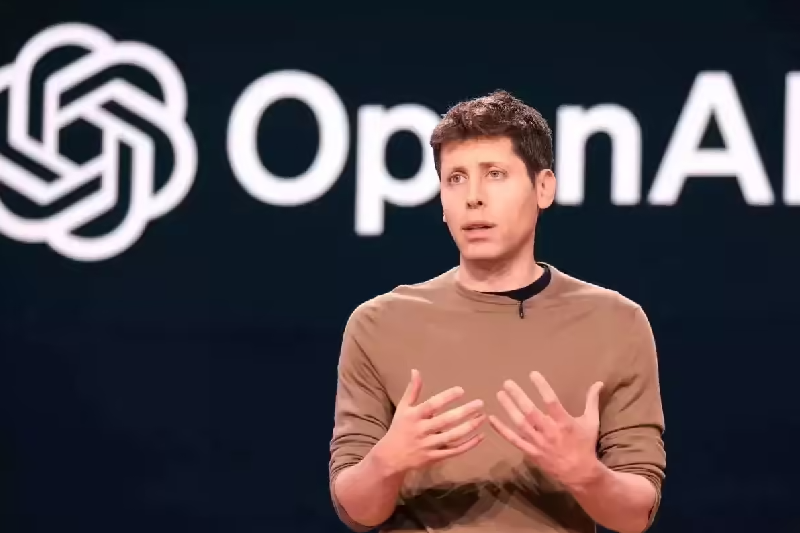
OpenAI CEO Sam Altman To Interact With IIT Delhi Students On February 20
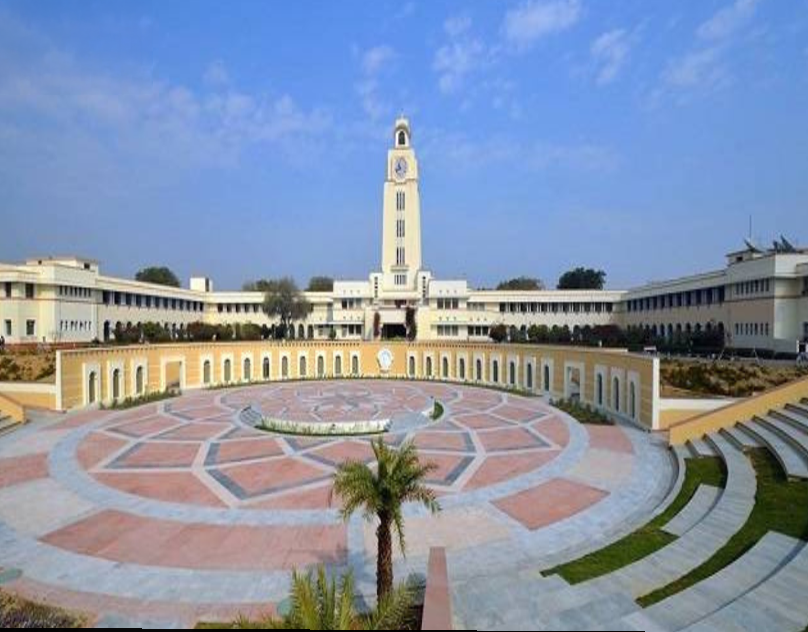
Artificial Intelligence has rapidly transitioned from a specialised technological discipline into a transformative global force influencing economies, governance, education and daily life. Against this backdrop, the forthcoming interaction between OpenAI CEO Sam Altman and students at the Indian Institute of Technology (IIT) Delhi on 20 February 2026 carries both symbolic and substantive significance. Scheduled as part of the India AI Impact Summit 2026, the engagement reflects India’s growing prominence in global AI discourse and highlights the expanding intersection between technological innovation, education and policy. The session, set to begin at 10:30 AM at Dogra Hall within the IIT Delhi campus, will feature Altman in conversation with renowned venture capitalist Vinod Khosla, followed by an “Ask Me Anything” interaction with students. While participation is limited to registered IIT Delhi community members and special invitees, the broader implications of this engagement extend far beyond the confines of a single campus.
The India AI Impact Summit: A Landmark Gathering
The India AI Impact Summit 2026, being held from 16 to 20 February at Bharat Mandapam in New Delhi, represents the first global AI summit hosted in the Global South. This positioning is particularly noteworthy. Historically, much of the technological narrative around AI has been dominated by Western economies. Hosting such a summit in India signals a shift towards a more inclusive global dialogue on technological governance and innovation. The summit brings together an impressive cross-section of participants: heads of government, international ministers, global technology CEOs, policymakers, academic leaders and innovators. Their collective deliberations aim to explore how AI can contribute to inclusive economic growth, effective governance and sustainable development while addressing ethical and regulatory concerns.
Sam Altman’s Engagement: Symbolism and Substance
Sam Altman’s presence at IIT Delhi holds symbolic value for India’s emerging generation of technologists and entrepreneurs. As CEO of OpenAI, an organisation at the forefront of artificial intelligence research and application, Altman represents a leadership perspective that blends technological ambition with increasing awareness of societal responsibility.
His conversation with Vinod Khosla, a prominent figure in global venture capital known for backing transformative technologies, promises to provide insights into innovation ecosystems, entrepreneurial risk-taking and the future trajectory of AI-driven industries. The subsequent interactive session with students is likely to encourage candid dialogue, offering young technologists a rare opportunity to engage directly with a global technology leader. Such interactions often inspire not only academic curiosity but also entrepreneurial aspiration, reinforcing the importance of mentorship and intellectual exchange in shaping technological progress.
India’s Growing Role in the Global AI Landscape
India’s emergence as a significant hub for AI talent and innovation provides the broader context for this engagement. With its large pool of engineering graduates, expanding digital infrastructure and vibrant start-up ecosystem, the country is increasingly positioned as a key contributor to global technological advancement. Government initiatives such as IndiaAI FutureSkills have sought to strengthen capacity-building by supporting students, researchers and professionals in developing AI competencies. Similarly, platforms like BHASHINI, which focuses on language technology, and Kisan e-Mitra, designed to support agricultural communities through AI-driven insights, illustrate how artificial intelligence can address local challenges while contributing to global knowledge systems. This dual focus, technological advancement alongside social inclusion is central to India’s AI narrative.
Thematic Deliberations at the Summit
The India AI Impact Summit has organised its discussions around seven thematic “Chakras” or working groups, each addressing a critical dimension of artificial intelligence’s societal impact. These include human capital development, social inclusion, safe and trustworthy AI systems, scientific advancement, resilience and efficiency, democratisation of AI resources, and the role of AI in economic development and social good. Such thematic structuring reflects an understanding that AI’s implications extend well beyond technological design into areas of ethics, governance, labour markets and public policy. The goal is not merely theoretical discussion but the translation of innovation into actionable policies and practical solutions capable of addressing both global and region-specific challenges.
Education and AI: A Transformative Relationship
For educational institutions such as IIT Delhi, engagement with global AI leaders reinforces the dynamic relationship between academia and industry. Universities play a crucial role in advancing research, nurturing talent and fostering interdisciplinary collaboration. At the same time, industry insights ensure that academic pursuits remain aligned with real-world technological developments. Artificial intelligence is already reshaping education through adaptive learning systems, personalised instruction, automated assessment tools and research acceleration. Exposure to thought leaders like Altman enables students to understand both the opportunities and responsibilities associated with such technologies. This dialogue also encourages critical thinking about ethical AI development, data privacy, algorithmic fairness and societal impact, issues increasingly central to technological education.
Global Technology Leadership at the Summit
Altman’s participation is part of a broader gathering of leading technology figures at the summit. Global industry leaders including Google CEO Sundar Pichai, NVIDIA CEO Jensen Huang, DeepMind co-founder Demis Hassabis, Qualcomm CEO Cristiano Amon and Scale AI’s Alexandr Wang are expected to attend. Their collective presence underscores India’s growing strategic importance within the global technology ecosystem. It also reflects the recognition that AI governance, innovation and application require international collaboration rather than isolated national approaches. For Indian students, researchers and entrepreneurs, such exposure can facilitate networking, knowledge exchange and potential collaborative opportunities.
The Broader Policy Dimension
Artificial intelligence increasingly intersects with public policy in areas such as economic development, national security, healthcare, agriculture and climate resilience. The summit’s inclusion of policymakers and government leaders highlights the importance of aligning technological innovation with regulatory frameworks and societal needs. India’s approach to AI has emphasised inclusivity and accessibility, recognising the technology’s potential to bridge developmental gaps. However, ensuring equitable benefits requires thoughtful policy design, investment in education and infrastructure, and sustained international cooperation. Engagements such as Altman’s interaction with students contribute to building informed future leaders capable of navigating these complexities.
Closed-Door Meetings and Strategic Dialogue
Reports suggesting exclusive closed-door meetings involving OpenAI during the summit indicate the strategic importance of behind-the-scenes dialogue in shaping technological partnerships and policy directions. While such meetings may not always be publicly documented, they often influence research collaborations, investment decisions and regulatory approaches. Speculation about a possible standalone OpenAI session on 19 February further highlights the level of interest surrounding AI discourse in India.
Inspiring the Next Generation
Perhaps the most enduring impact of such engagements lies in their inspirational value. For students at IIT Delhi and across India, interaction with global technology leaders reinforces the message that innovation transcends geographic boundaries. It also highlights the importance of interdisciplinary thinking, ethical responsibility and societal awareness in technological pursuits. The opportunity to ask questions directly, hear candid reflections and engage in intellectual dialogue can shape career aspirations and research directions for years to come.
Looking Ahead
Artificial intelligence is poised to remain one of the defining technological forces of the 21st century. As nations grapple with its opportunities and challenges, platforms that facilitate dialogue between technologists, policymakers, educators and industry leaders become increasingly essential. Sam Altman’s interaction with IIT Delhi students, situated within the broader context of the India AI Impact Summit 2026, exemplifies such dialogue. It reflects a recognition that technological progress must be accompanied by thoughtful engagement, ethical consideration and collaborative vision.
Conclusion
The upcoming interaction between OpenAI CEO Sam Altman and IIT Delhi students represents more than a high-profile campus event. It symbolises India’s rising influence in global AI conversations, underscores the importance of academic-industry collaboration and highlights the role of young innovators in shaping technological futures. As artificial intelligence continues to transform economies, education systems and societal structures, fostering informed dialogue becomes imperative. Events such as the India AI Impact Summit and engagements like Altman’s interaction with students contribute meaningfully to this evolving global conversation, encouraging a future where technological advancement is guided by wisdom, inclusivity and shared human progress.